How Leak Detection Saves Money and Prevents Water Damage

December 25, 2025

Water leaks are among the most common yet overlooked problems in both residential and commercial properties. While a dripping faucet or a slow leak might seem minor, the cumulative effects can lead to significant property damage, inflated utility bills, and even health risks due to mold and mildew growth. Detecting and addressing leaks early is not just a matter of convenience—it’s a proactive investment in the safety, efficiency, and longevity of your property. The hidden costs of undetected leaks often surpass the expense of timely repairs, making early leak detection an essential aspect of property maintenance.


In today’s world, where water conservation and property protection are critical, leak detection has become an indispensable practice. Advanced leak detection technologies, professional inspections, and routine monitoring help property owners identify vulnerabilities before they escalate into costly emergencies. Understanding the mechanisms of leaks, the areas most prone to water damage, and the financial implications of delayed action can empower homeowners and facility managers to take preventative steps. This blog explores how leak detection saves money, prevents structural and environmental damage, and promotes a safer, more efficient water management strategy for any property.

Understanding the True Cost of Water Leaks

Hidden Financial Impact

Water leaks may appear trivial at first, but they can accumulate significant costs over time. Even a small drip from a faucet or a pinhole leak in a pipe can waste thousands of gallons annually. The immediate impact is seen in rising water bills, but the long-term financial burden extends further. Structural repairs due to water infiltration, mold remediation, and replacement of damaged furnishings can quickly escalate, far exceeding the cost of preventive leak detection measures.


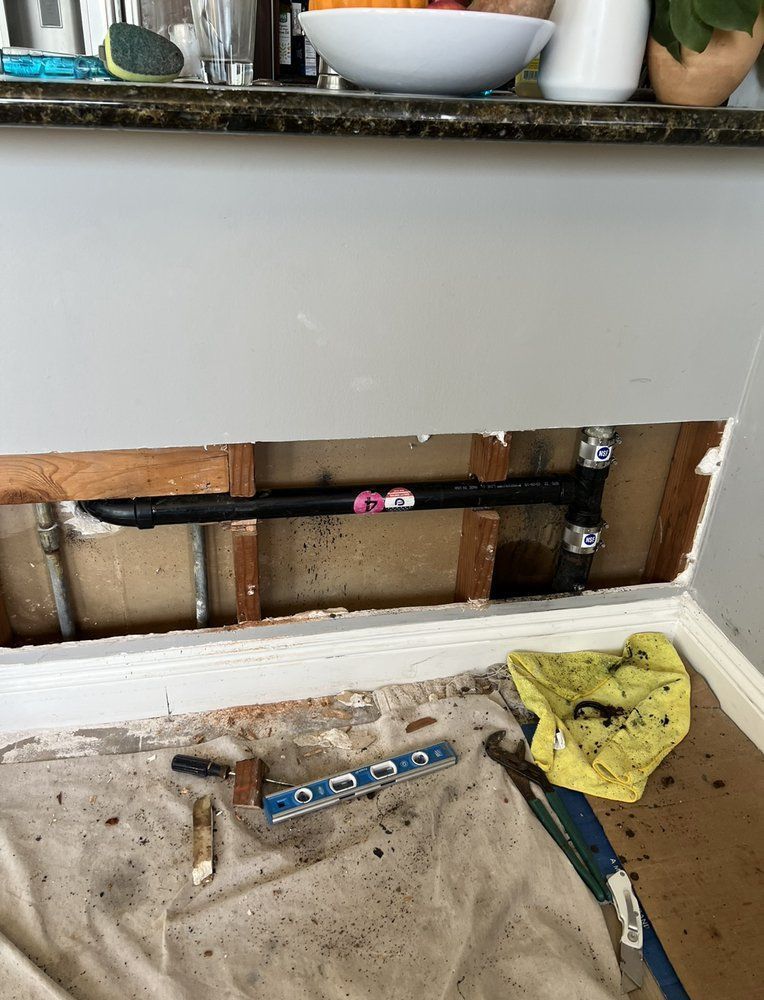
For example, a pinhole leak in a hidden pipe within a wall may go unnoticed for months, allowing water to seep into flooring, insulation, and drywall. By the time the leak is discovered, the repair cost may reach thousands of dollars. Detecting the issue early with specialized equipment or professional inspection can prevent these avoidable expenses and maintain the integrity of the property.

Environmental and Operational Costs

Beyond financial considerations, undetected leaks have environmental consequences. Wasted water contributes to resource depletion and increases the property’s environmental footprint. In commercial properties, leaks can disrupt operations, damage equipment, and reduce productivity. Therefore, investing in leak detection is not just a financial decision but also a responsible environmental and operational choice.

Common Causes of Water Leaks

Aging Pipes and Infrastructure

One of the most prevalent causes of leaks is aging plumbing infrastructure. Over time, pipes made of outdated materials like galvanized steel or polybutylene can corrode, weaken, or develop pinholes. Homes built decades ago often require comprehensive inspections to identify potential leak points before they result in major water damage.

Appliance Failures

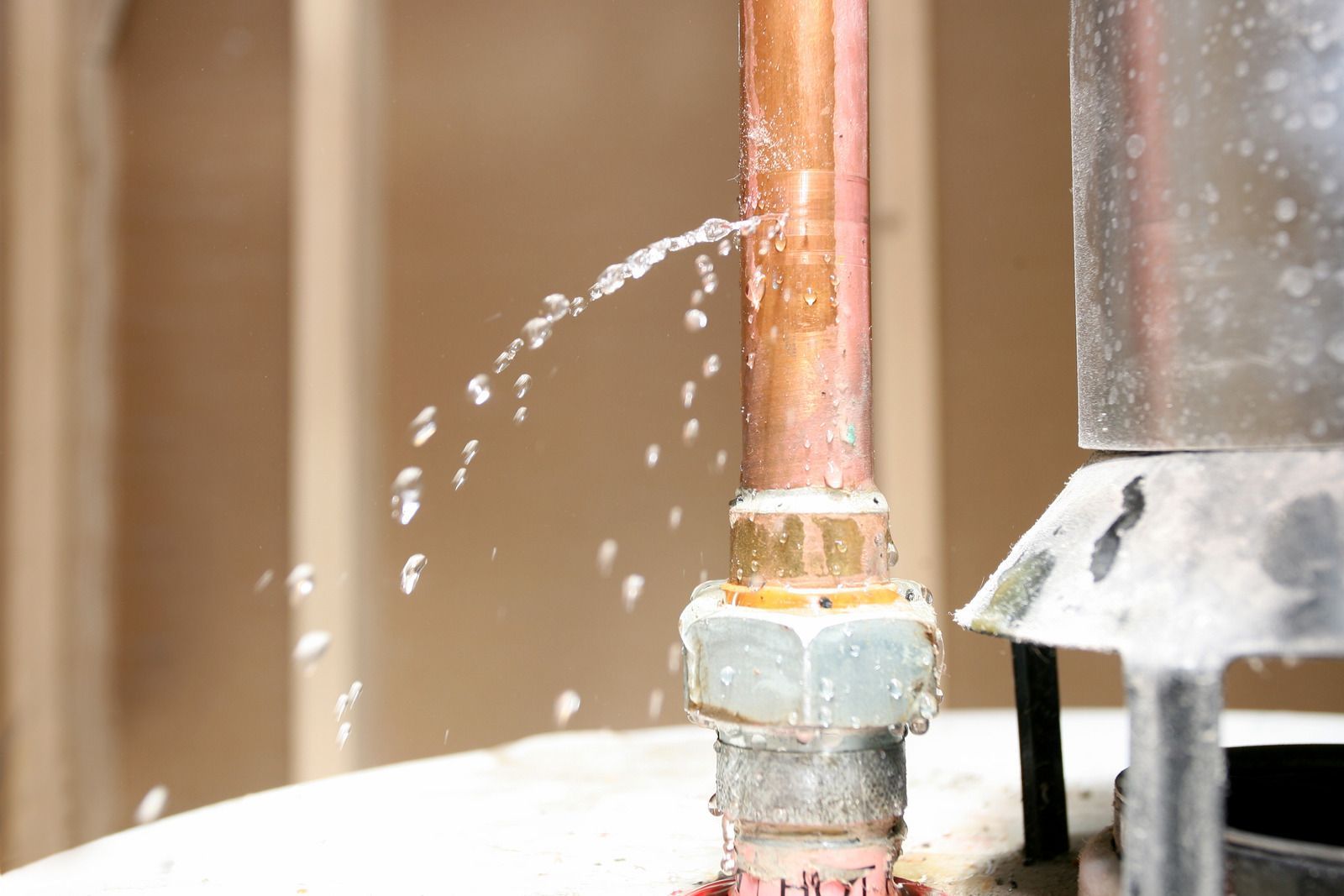
Water-using appliances such as water heaters, washing machines, dishwashers, and refrigerators with ice makers are frequent sources of leaks. Malfunctioning seals, worn hoses, and internal component failures can lead to slow leaks or sudden bursts, both of which are costly if left unaddressed.

Seasonal and Environmental Factors

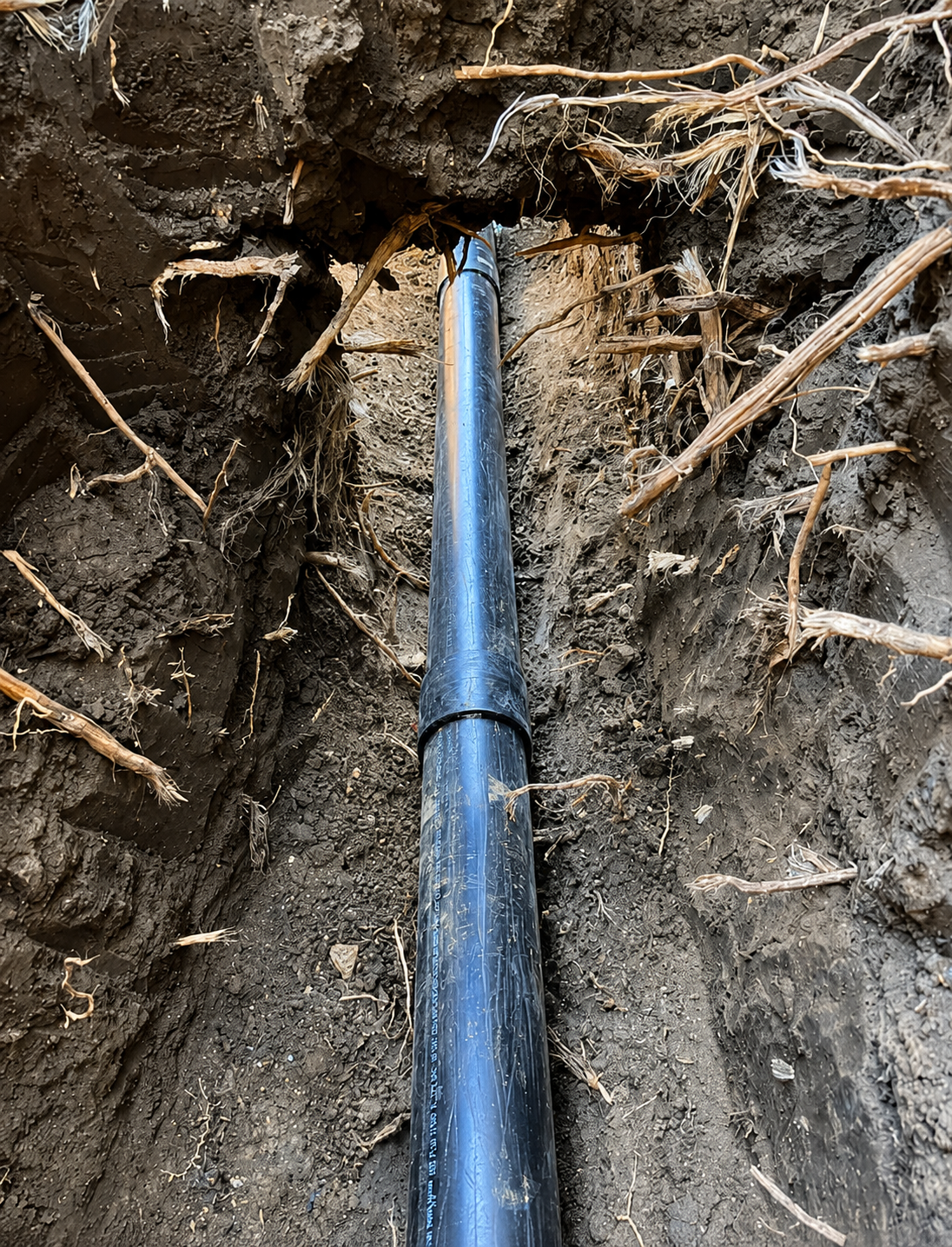
Temperature fluctuations and soil movement can also cause leaks. Freezing and thawing cycles may crack pipes, while shifting soil can place stress on underground water lines. Rainwater intrusion, poor drainage, and foundation settlement further exacerbate the risk of leaks, emphasizing the need for vigilant monitoring in susceptible areas.

Advanced Leak Detection Techniques

Acoustic Leak Detection

Acoustic leak detection involves listening for the sound of water escaping from pipes. Specialized equipment can detect even faint sounds of leaks hidden behind walls, under floors, or underground. This method is particularly effective for pressurized systems, where leaks produce distinctive acoustic signatures.

Thermal Imaging and Moisture Sensors

Thermal imaging cameras and moisture sensors can identify areas of excess moisture or temperature anomalies caused by water intrusion. These technologies allow professionals to detect leaks without invasive wall or floor demolition, minimizing repair costs while providing precise leak localization.

Smart Leak Detectors

The rise of smart home technology has introduced water leak detectors capable of real-time alerts. These devices can be installed near high-risk areas like water heaters, sump pumps, or under sinks. Immediate notifications enable rapid response, preventing minor leaks from escalating into major damage.

Real-World Scenarios Highlighting Leak Detection Benefits

Residential Case Study

Consider a homeowner who notices a slight dampness near the laundry room. Without leak detection, the source—a cracked water supply line—remains hidden, leading to months of slow water damage behind the walls. Early professional detection would have pinpointed the crack, allowing a simple repair and preventing mold growth, structural weakening, and extensive drywall replacement.

Commercial Property Example

In a commercial office building, undetected leaks in the ceiling can compromise electrical systems, cause office shutdowns, and incur costly insurance claims. Routine leak detection ensures that maintenance teams can intervene early, safeguarding the property’s infrastructure, reducing downtime, and maintaining operational efficiency.


These examples underscore the tangible benefits of proactive leak detection: savings on repair costs, avoided insurance claims, and preservation of property value.

Proactive Maintenance Strategies for Leak Prevention

Scheduled Plumbing Inspections and Preventive Repairs

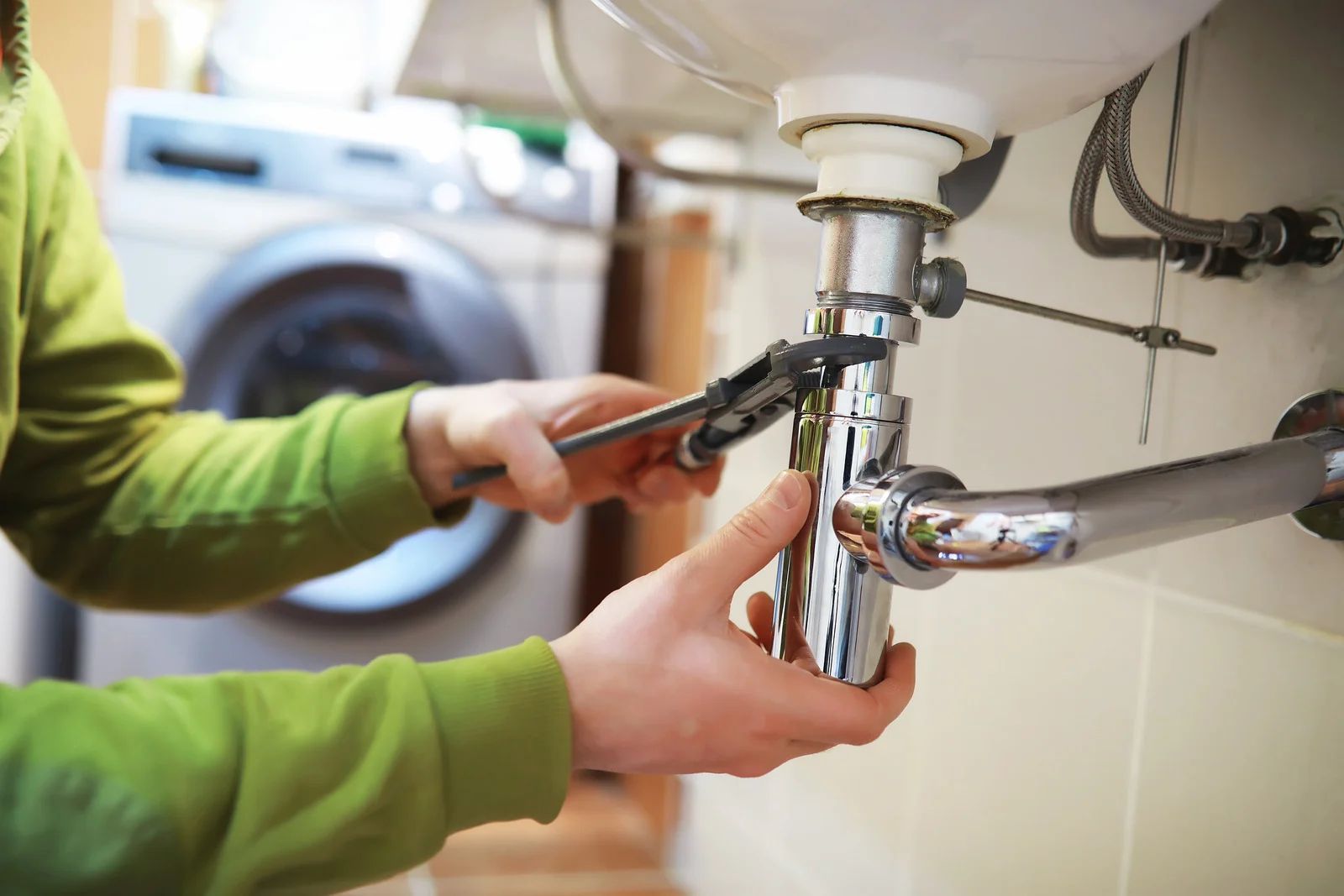
Routine inspections by licensed professionals are key to identifying potential leak sources before they escalate. Preventive repairs, such as replacing corroded pipe sections or tightening loose fittings, reduce the likelihood of leaks.

Replacing Aging Pipes

Older homes or buildings with outdated plumbing systems are particularly vulnerable. Replacing pipes made from materials prone to corrosion, such as galvanized steel, can drastically reduce the risk of leaks and ensure long-term reliability.

Seasonal Checks

Weather changes can stress plumbing systems. Regular checks during seasonal transitions—especially before winter and after heavy rains—help detect cracks, leaks, and weaknesses that could lead to significant water damage.

Insurance and Legal Considerations for Water Damage

Understanding Coverage

Homeowners and commercial property managers must understand how insurance policies cover water damage caused by leaks. Some policies require proof of timely inspections or preventive measures to approve claims, making proactive leak detection critical.

Documenting Leaks for Claims

Documenting water leaks and timely repairs can support insurance claims, reducing disputes and ensuring proper compensation. Maintaining records of inspections, professional assessments, and repairs strengthens the property owner’s position in case of damage claims.

Legal Responsibilities

Commercial property managers may face legal consequences if leaks lead to unsafe conditions. Proactive detection and repair not only protect the property but also mitigate potential liability for water damage-related injuries or code violations.

Best Practices for Effective Leak Detection

Monitoring Water Usage Patterns

Unusual spikes in water consumption often indicate hidden leaks. Property owners should monitor monthly water bills and consider installing water meters for real-time tracking. Early identification allows for quick intervention, mitigating unnecessary water loss and expenses.

Educating Occupants

In both residential and commercial settings, educating occupants about potential leak indicators—such as damp spots, mold, unusual odors, or fluctuating water pressure—can accelerate detection and response. Awareness empowers everyone to act swiftly, limiting damage and costs.

Leveraging Technology

Incorporating advanced leak detection tools, such as acoustic devices, thermal imaging, and smart sensors, enhances early detection capabilities. These technologies allow for minimally invasive inspections, reducing disruption while providing accurate and actionable data.

Challenges in Leak Detection and How to Overcome Them

Hidden or Inaccessible Pipes

Many leaks occur in areas that are not easily visible, such as behind walls or beneath floors. Traditional detection methods may miss these leaks, necessitating the use of specialized equipment like thermal cameras, ultrasonic devices, and pressure testing tools.

False Alarms and Diagnostic Errors

Improperly calibrated equipment or inexperienced operators may generate false positives or overlook subtle leaks. Hiring certified professionals with experience in modern leak detection technology ensures accuracy, preventing unnecessary repairs and maintaining confidence in the results.

Balancing Cost and Prevention

Some property owners hesitate to invest in leak detection due to perceived costs. However, the expense of professional detection is minimal compared to the potential damage, insurance claims, and lost property value associated with undetected leaks. Developing a proactive leak prevention plan is a strategic financial decision.

How Leak Detection Protects Property Value

Preserving Structural Integrity

Water infiltration can weaken walls, floors, and foundations. Early detection mitigates long-term damage, preserving the structural integrity of the property. This is particularly important for older buildings, where repairs can be more complex and expensive.

Avoiding Mold and Health Hazards

Leaks that go unnoticed often result in mold and mildew growth, posing health risks to occupants. Detecting leaks promptly prevents mold proliferation, reducing remediation costs and maintaining a safe, healthy environment.

Enhancing Resale Value

Properties with well-maintained plumbing and no history of water damage are more attractive to buyers. Proactive leak detection demonstrates responsible property management, enhancing marketability and long-term value.

Timely Leak Identification Reduces Repairs And Expenses

Leak detection is a crucial aspect of property maintenance that saves money, prevents water damage, and promotes long-term efficiency. From aging pipes to appliance malfunctions, water leaks pose risks that extend beyond simple repair costs. Advanced detection technologies, professional inspections, and proactive monitoring empower property owners to identify and address issues before they escalate. Implementing best practices such as routine inspections, water usage monitoring, occupant education, and smart sensors ensures early detection, safeguarding both residential and commercial properties.


At Jurguen's Plumbing, we understand the critical importance of effective leak detection. Based in Inglewood, California, our team brings 25 years of experience in protecting homes and businesses from water damage. We combine advanced detection technology with expert knowledge to deliver precise, efficient solutions. Whether it’s identifying hidden leaks, preventing mold growth, or preserving property value, our trusted professionals are committed to safeguarding your investment and ensuring long-term peace of mind. From routine inspections to emergency leak repairs, Jurguen's Plumbing provides comprehensive services that protect your property and wallet, making us the reliable choice for homeowners and businesses alike.

Bathroom with a soaking tub, glass shower, vanity with a large mirror, and a closed door.
November 17, 2025
Bathroom remodeling is more than just aesthetics—it’s about functionality, comfort, and increasing the value of your home. One of the most overlooked aspects of a successful remodel is plumbing. Upgrading pipes, fixtures,
Copper plumbing for a shower valve, mounted on wooden framing.
October 14, 2025
Gas lines are one of the most critical components of any home, supplying fuel for heating, cooking, and other essential functions. While some homeowners may feel confident tackling home repairs themselves, attempting a gas line repair without professional expertise is extremely dangerous.
Water filtration system with tanks, filters, and controls installed in a gray utility room.
September 17, 2025
Access to clean, safe water is a fundamental need for every household. While municipal water systems provide treated water, it often contains contaminants such as chlorine, sediment, heavy metals, and other impurities that can affect taste, health, and even household appliances.
Gray Rheem water heater, encased in metal, with various labels and fittings, against a brick wall.
August 23, 2025
In Southern California, where comfort and efficiency are top priorities for homeowners, a properly functioning water heater is essential. Whether it’s for daily showers, laundry, or dishwashing, consistent hot water access plays a key role in household convenience.
A bathtub with a shower head attached to it
July 23, 2025
Plumbing systems are essential to maintaining a safe, sanitary, and comfortable home. When something goes wrong unexpectedly—like a burst pipe or sewage backup—knowing how to respond is crucial.