Hidden Water Leaks: How to Spot the Subtle Signs Before They Cause Major Damage
Water is relentless. It finds the smallest crack, the weakest joint, the tiniest gap in a pipe fitting, and it works its way through over months or even years without making a sound. By the time most homeowners realize there is a problem, the damage is already well underway. Warped floors, mold colonies behind walls, crumbling drywall, and weakened foundations are all consequences of leaks that could have been caught early.
Hidden water leaks are one of the most underestimated threats to a home's structural integrity and indoor air quality. According to the EPA, household leaks can waste nearly 10,000 gallons of water per year on average, and 10 percent of homes waste 90 gallons or more per day. Beyond the water bill, the downstream costs of mold remediation, structural repairs, and flooring replacement can run into tens of thousands of dollars. Knowing what to watch for, and when to call a professional, is the kind of knowledge that protects a home before a drip becomes a disaster.
Why Hidden Leaks Go Undetected for So Long
Out of Sight, Out of Mind
Most residential plumbing runs through walls, under slabs, above ceilings, and beneath subfloors. None of it is visible during normal daily life. A pinhole leak in a copper supply line inside a wall cavity will drip steadily for months while the surrounding wood absorbs moisture, mold begins to grow, and the wall surface remains completely dry to the touch.
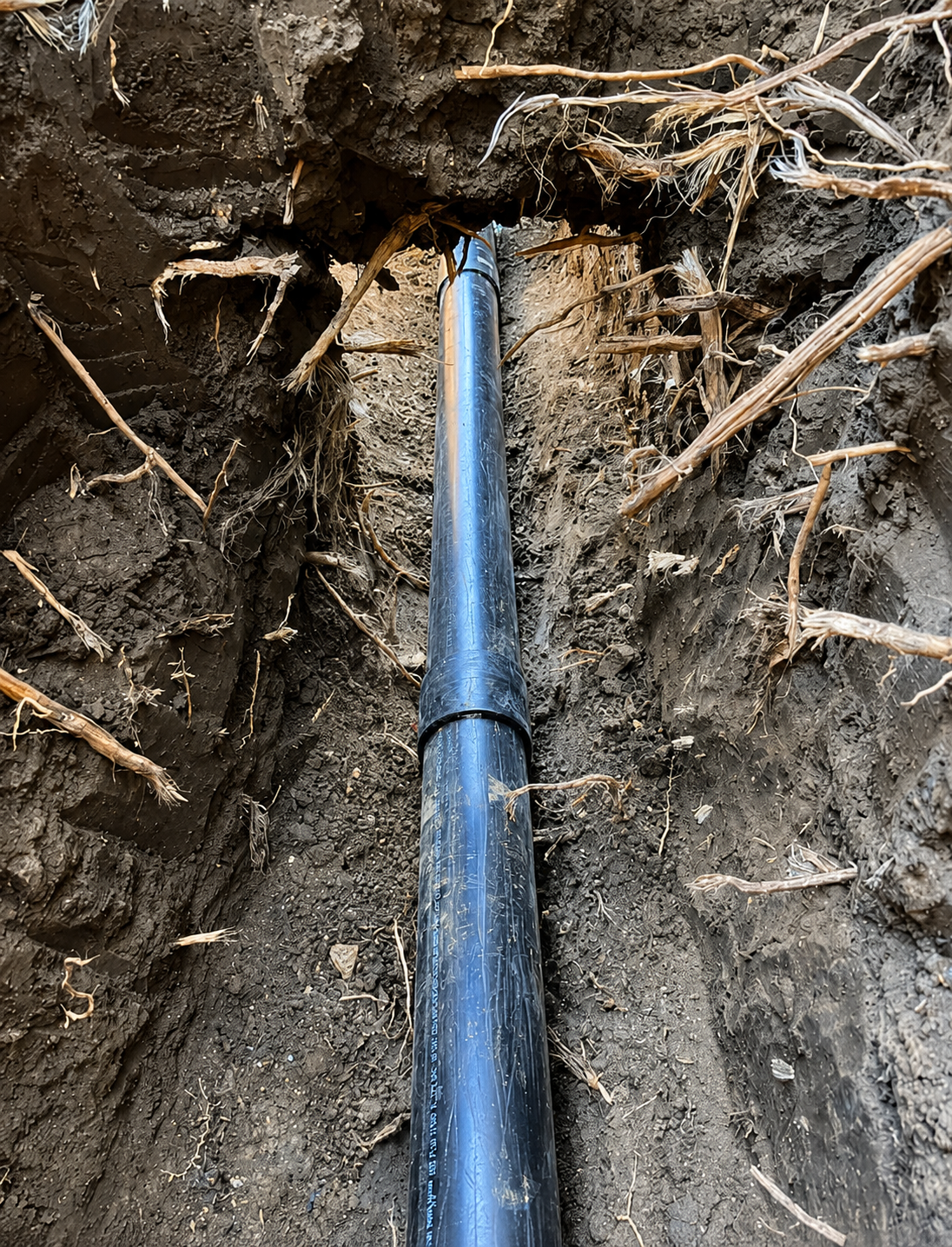
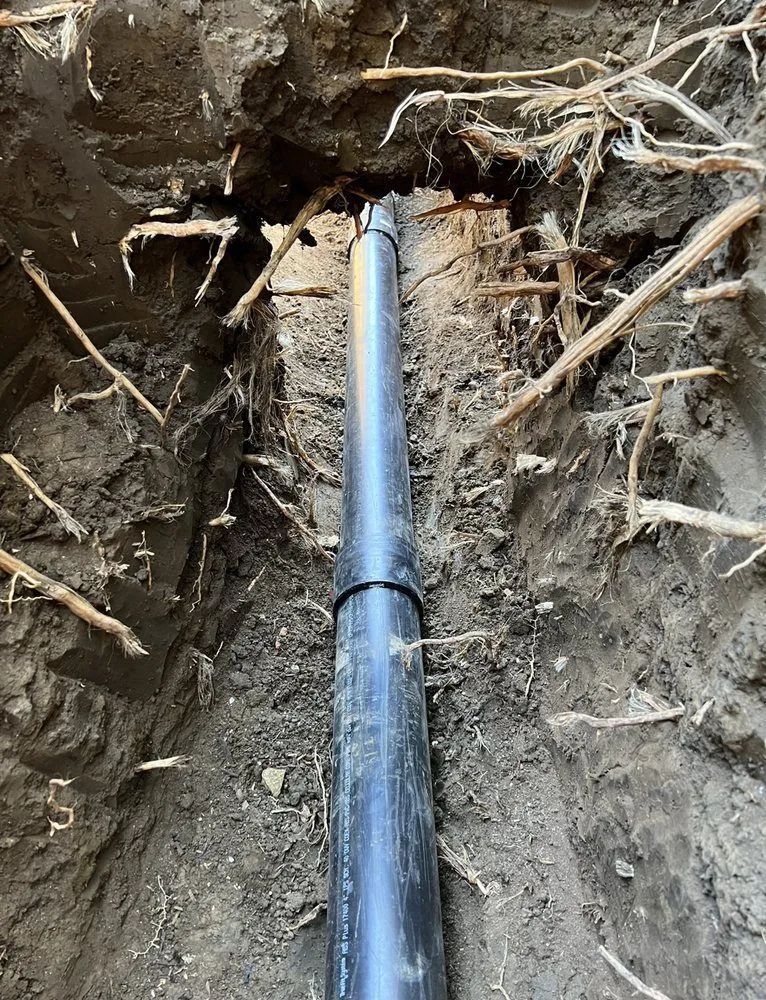
Leaks in slab foundations are particularly deceptive. Water seeping from a pipe under the concrete finds the path of least resistance, which is often upward through the slab and into flooring rather than outward where it might be noticed. Homeowners may chalk up warm spots on the floor or slight buckling in hardwood to seasonal humidity changes rather than a pressurized water line actively bleeding below their feet.
The Slow Accumulation Problem
What makes hidden leaks so damaging is not the volume of water released at any given moment but the duration of exposure. A slow drip wetting the same framing member every hour for six months creates far more structural damage than a burst pipe that floods a bathroom and gets addressed within hours. Chronic low-level moisture is the environment mold needs, and once mold colonizes a wall cavity or subfloor system, remediation becomes a significant project.
Subtle Signs You Should Never Dismiss
Unexplained Spikes in Your Water Bill
One of the earliest and most reliable indicators of a hidden leak is an increase in the monthly water bill with no corresponding change in household usage. If the number of people in the home, laundry habits, and irrigation schedules have stayed the same but the bill has climbed noticeably, water is going somewhere it should not be.
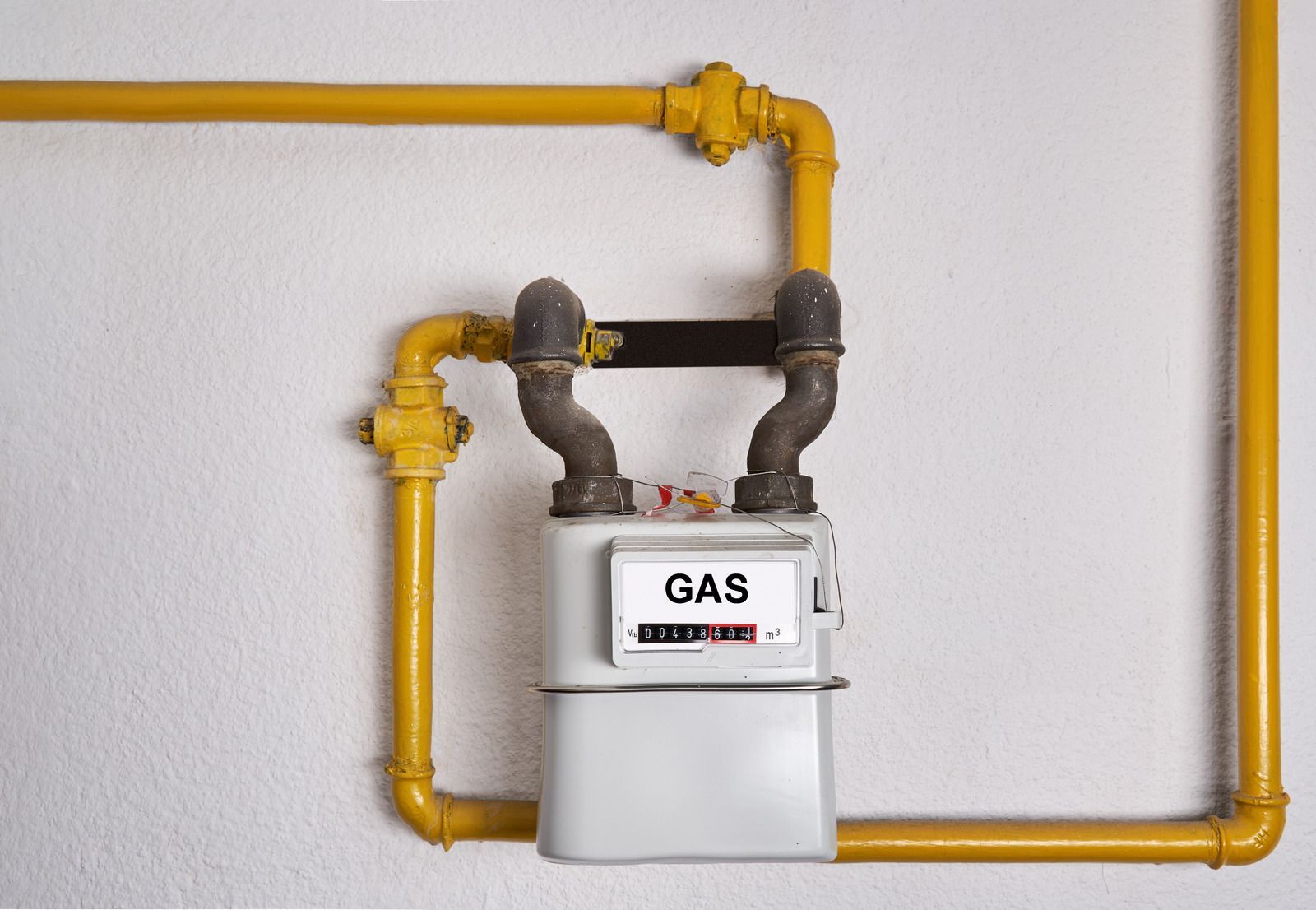
A straightforward home test involves shutting off all water-using appliances and fixtures, then checking whether the water meter continues to move. If it does, there is an active leak somewhere in the supply system.
Discoloration and Staining on Walls or Ceilings
Yellow or brown staining on a ceiling or wall is almost always a moisture signature. It may appear as a ring, a streak running from a corner, or a diffuse blotch near a light fixture. These marks indicate that water has saturated the material above and is wicking downward. The surface may feel dry by the time it stains, because the initial source of moisture may have dried partially, but the organic compounds that feed mold growth remain.
Pay particular attention to staining near plumbing walls, which are walls that contain water supply or drain lines, and to the ceilings of lower floors beneath bathrooms or kitchens.
Musty Odors Without a Visible Source
Mold and mildew produce volatile organic compounds that create a distinctive musty, earthy smell. If a room smells like a damp basement but there is no visible moisture, no wet towels, and no humidity source that accounts for it, suspect a hidden leak. The odor often becomes stronger when the HVAC system runs because air circulation draws the smell out of wall cavities and distributes it through the home.
Soft Spots, Buckling, or Warping in Flooring
Wood and laminate flooring that begins to cup, bow, or develop soft spongy areas underfoot is reacting to moisture from below. In bathrooms and kitchens, this is frequently the result of a slow drain leak or a failed wax ring beneath a toilet that has been leaking at the base with every flush. In other rooms, it may indicate a supply line leak inside the wall or a slab leak driving moisture up through the subfloor.
Low Water Pressure
A drop in water pressure that cannot be explained by increased demand or municipal supply issues can signal a leak in the supply line. When water escapes through a breach before reaching fixtures, the pressure at the tap falls. This is more pronounced with slab leaks or main line leaks but can also appear with significant leaks in branch lines.
High-Risk Areas to Inspect Regularly
Under Sinks and Around Appliances
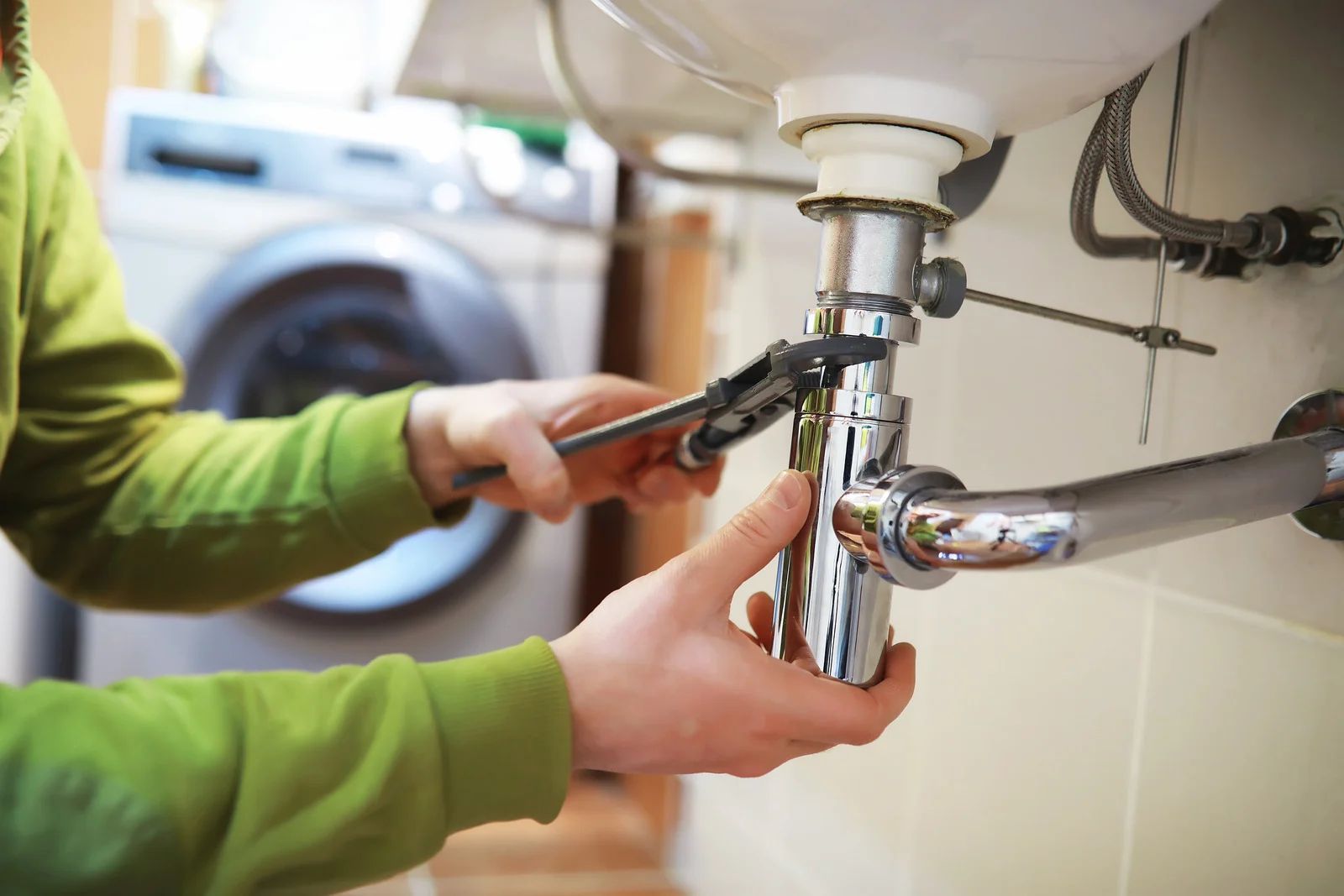
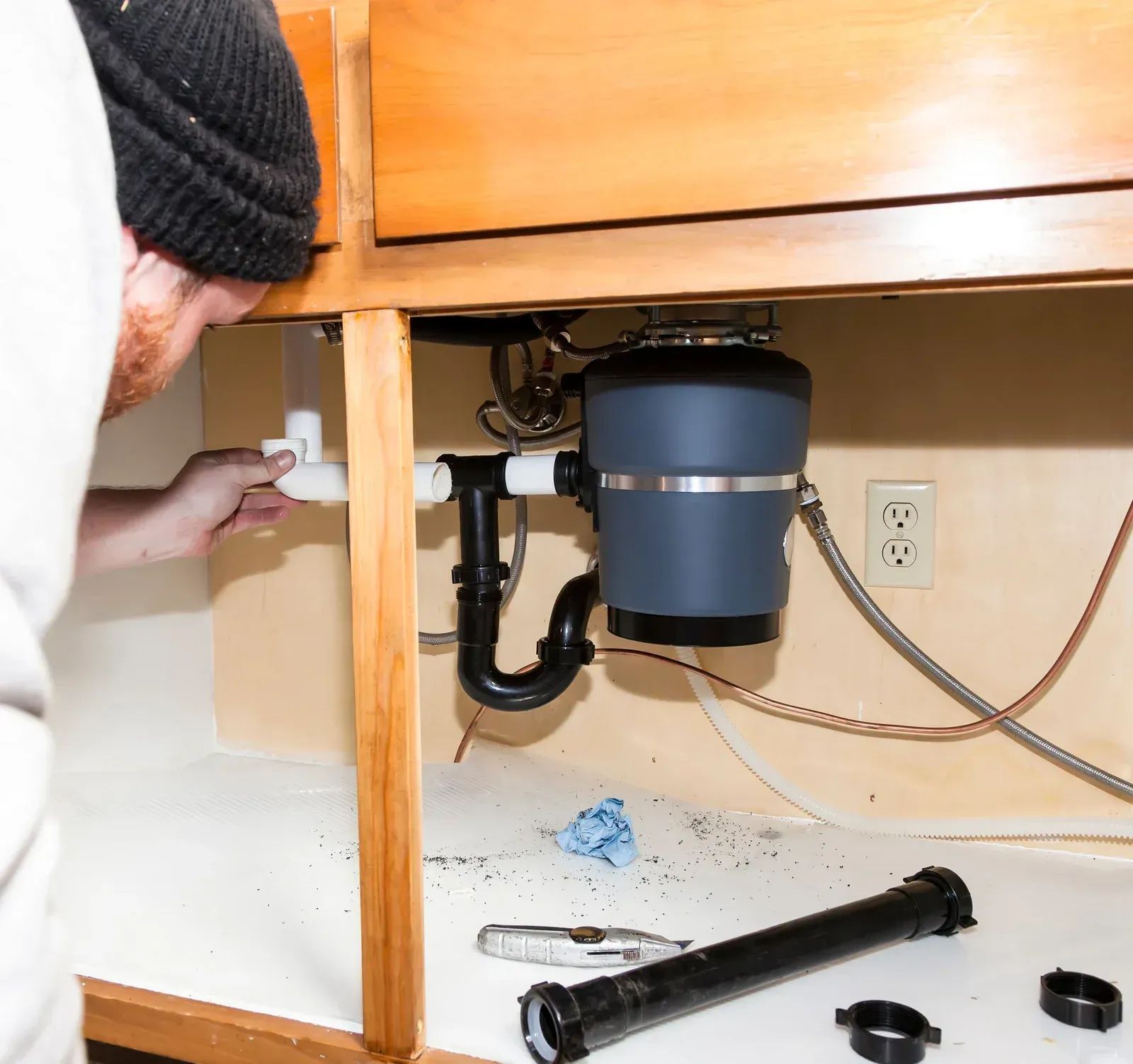
The cabinetry under kitchen and bathroom sinks is one of the most common locations for undetected leaks. Supply line connections, shutoff valves, and drain fittings all pass through that enclosed space, and small drips collect in the back corners where they are rarely seen. Pull everything out from under the sink periodically and look for water stains, rust on the metal fittings, or soft cabinet flooring.
Dishwashers, refrigerators with ice makers, and washing machines are also frequent leak sources. Water supply hoses age, crack, and fail. Rubber supply lines for washing machines in particular carry significant water volume under pressure and can fail without warning after years of use.
Around Toilets and Tub Surrounds
A toilet that rocks slightly on its base is losing its seal. Every flush sends water under the wax ring and into the subfloor. Tub and shower surrounds with grout lines that have cracked or caulk that has pulled away from the wall allow water to penetrate the tile substrate during every use. Neither of these leaks produces visible standing water, but both cause progressive damage to subfloor systems and the framing around them.
Water Heater Connections and Pressure Relief Valves
Water heaters develop leaks at the supply and outlet fittings, at the drain valve, and at the temperature and pressure relief valve. A puddle on the floor near the unit may come from any of these points. Some leak from the tank itself, which indicates internal corrosion and warrants replacement rather than repair.
What to Do When You Suspect a Hidden Leak
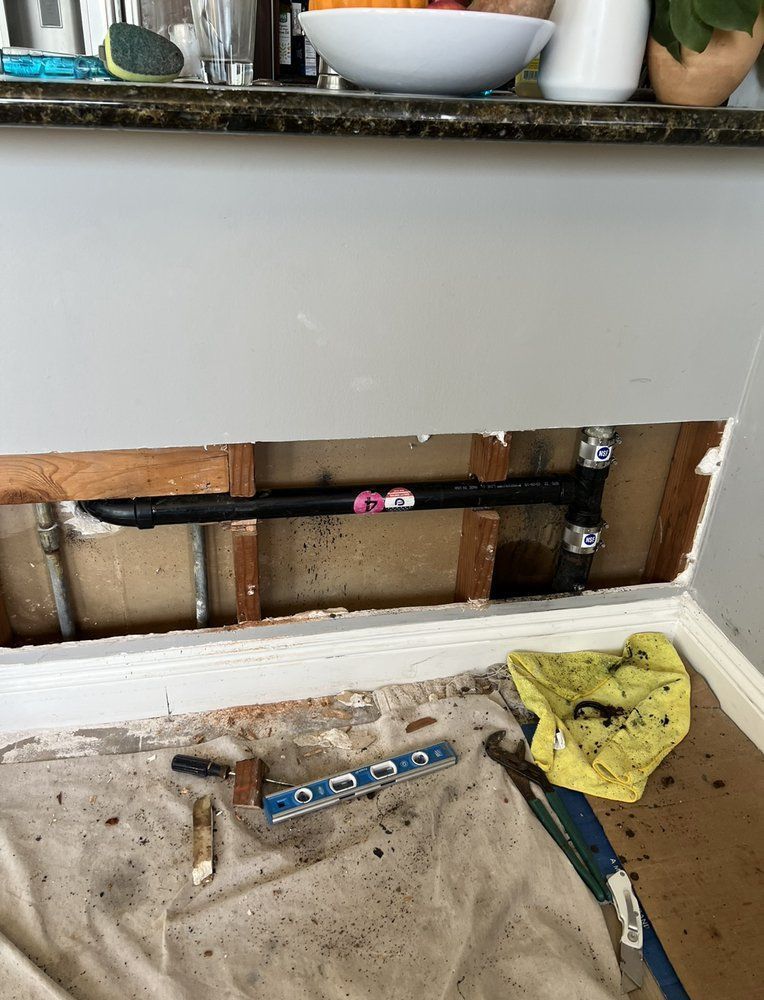
Document any signs you have noticed, including dates and locations, before calling a plumber. This helps narrow the diagnostic process. A licensed plumber can use pressure testing to isolate leaking segments of the supply system, thermal imaging cameras to detect moisture behind walls without demolition, and acoustic listening equipment to pinpoint slab leaks by the sound of water movement through concrete.
Do not wait for confirmation before taking protective steps. If there is a musty smell and unexplained moisture, running a dehumidifier and increasing ventilation slows the progression of mold growth while the source is being located. Shut off the water supply to the home if a significant leak is suspected and cannot be immediately located.
Experienced Plumbers Who Know Inglewood Homes Inside
Hidden water leaks rarely give homeowners dramatic warning signs. They announce themselves gradually through stained ceilings, musty rooms, rising water bills, and soft flooring. Recognizing these signals early and acting on them prevents the kind of damage that turns a simple pipe repair into a full-scale remediation project. Staying observant, inspecting high-risk areas regularly, and bringing in a licensed plumber at the first sign of unexplained moisture are the steps that keep a home structurally sound and free from water damage.
At Jurguen's Plumbing, we have been serving the Inglewood, California community for 25
years, diagnosing and resolving exactly the kinds of hidden leak situations described throughout this article. We have seen firsthand how a small undetected drip behind a wall can compromise an entire bathroom floor system, and how catching it early through proper inspection protects both the home and the homeowner's budget. Our approach combines professional diagnostic equipment, genuine plumbing expertise, and a commitment to giving every client a clear, honest picture of what is happening in their plumbing system. Whether the concern is a suspicious water bill, a musty smell that will not go away, or a floor that feels soft underfoot, we bring the experience needed to find the source, explain the situation plainly, and carry out the right repair. Inglewood homeowners trust us because we treat every job with the same care we would give our own homes.
Frequently Asked Questions
How do I know if my home has a slab leak?
Common signs include warm areas on the floor, the sound of running water when all fixtures are off, cracks appearing in tile or flooring, and a water bill that keeps climbing without explanation. A licensed plumber can confirm a slab leak through pressure testing and acoustic detection.
Can a slow drip really cause mold?
Yes. Mold requires only a small amount of persistent moisture to establish and spread. A drip that keeps framing lumber or drywall damp over weeks creates ideal conditions for mold growth, even in areas with good air circulation.
How often should plumbing be inspected in an older home?
Homes over 20 years old benefit from a plumbing inspection every two to three years. Galvanized steel pipe, polybutylene pipe, and aging copper supply lines all carry elevated failure risk that a professional inspection can identify before a failure occurs.
Is it safe to use water if I suspect a hidden leak?
For minor suspected leaks, normal use can continue while you arrange an inspection. If you hear rushing water, notice sudden drops in pressure, or see signs of significant moisture intrusion, shut off the main supply and call a plumber without delay.
What is the difference between a supply line leak and a drain leak?
Supply line leaks involve pressurized water escaping from pipes that deliver water to fixtures. They tend to cause faster and more widespread damage. Drain leaks occur when water escapes from drain pipes during use. Both require prompt repair, but supply leaks are typically the more urgent situation.