Sewage Backing Up Into the Tub When You Flush? Why It's the Main Line
Out of Sight, Out of Mind
Yellow or brown staining on a ceiling or wall is almost always a moisture signature. It may appear as a ring, a streak running from a corner, or a diffuse blotch near a light fixture. These marks indicate that water has saturated the material above and is wicking downward. The surface may feel dry by the time it stains, because the initial source of moisture may have dried partially, but the organic compounds that feed mold growth remain.
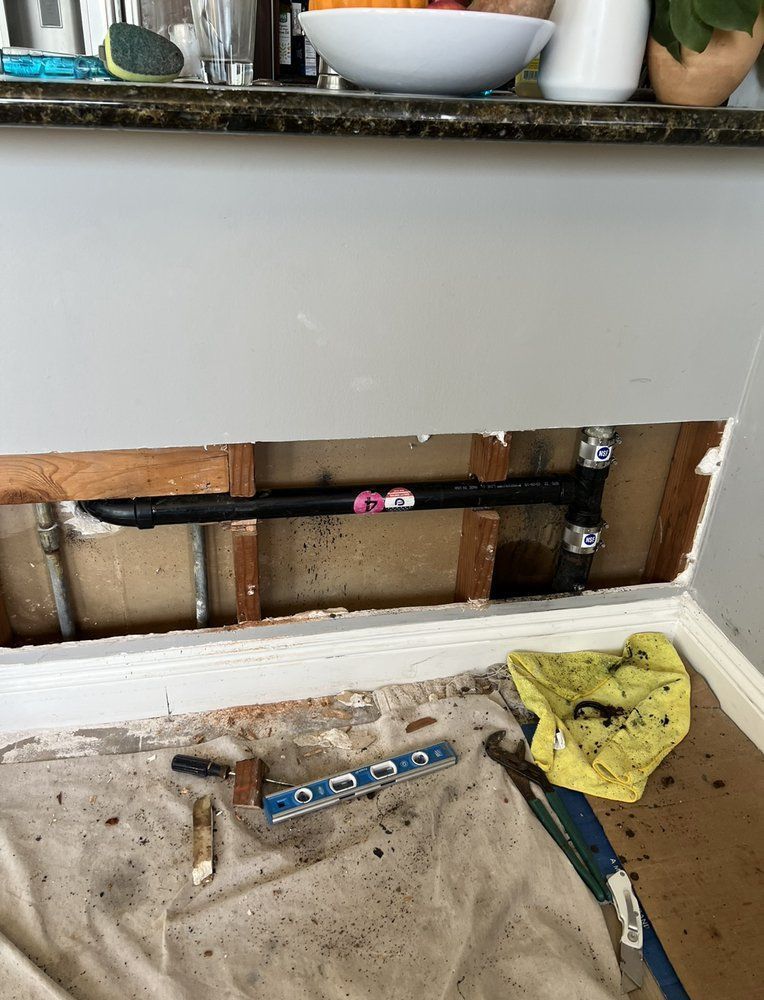
Pay particular attention to staining near plumbing walls, which are walls that contain water supply or drain lines, and to the ceilings of lower floors beneath bathrooms or kitchens.
Here is what to do the moment you see it
Quick Answer: When sewage rises in your tub every time you flush the toilet, the blockage is almost never in the tub itself. It sits in the main sewer line, the single pipe that carries wastewater from every fixture out to the city sewer. Because the tub drain sits lower than the toilet, backed-up water takes the path of least resistance and surfaces there first. That cross-fixture reaction, one fixture flushing and another one filling, is the clearest sign the main line is the problem. Stop running water, leave the fixtures alone, and have the line inspected before the partial blockage becomes a full one.
You flush the toilet, and instead of the water going down and staying gone, you hear a gurgle and watch dirty water push up through the bathtub drain a few feet away. Run the washing machine and the toilet bubbles. Every fixture in the house seems to be talking to every other one, and none of the conversations are good. This is not a coincidence, and it is not the tub's fault
When wastewater from a flush comes back up somewhere else, the drain you see it in is rarely where the trouble lives. The blockage is downstream, in the pipe that all of your fixtures share on the way out of the house. Understanding why the sewage lands in the tub, and what that pattern is telling you, is the difference between chasing the wrong drain for a week and getting the actual problem cleared before it turns into raw sewage on the bathroom floor.
Why the Tub, and Not the Toilet
Picture your home's drain system as a tree turned upside down. Every sink, shower, tub, and toilet has its own small branch pipe. All of those branches feed into one large trunk, the main sewer line, which runs underground from the house out to the city connection. Under normal conditions, gravity pulls everything down the branches, into the trunk, and away.
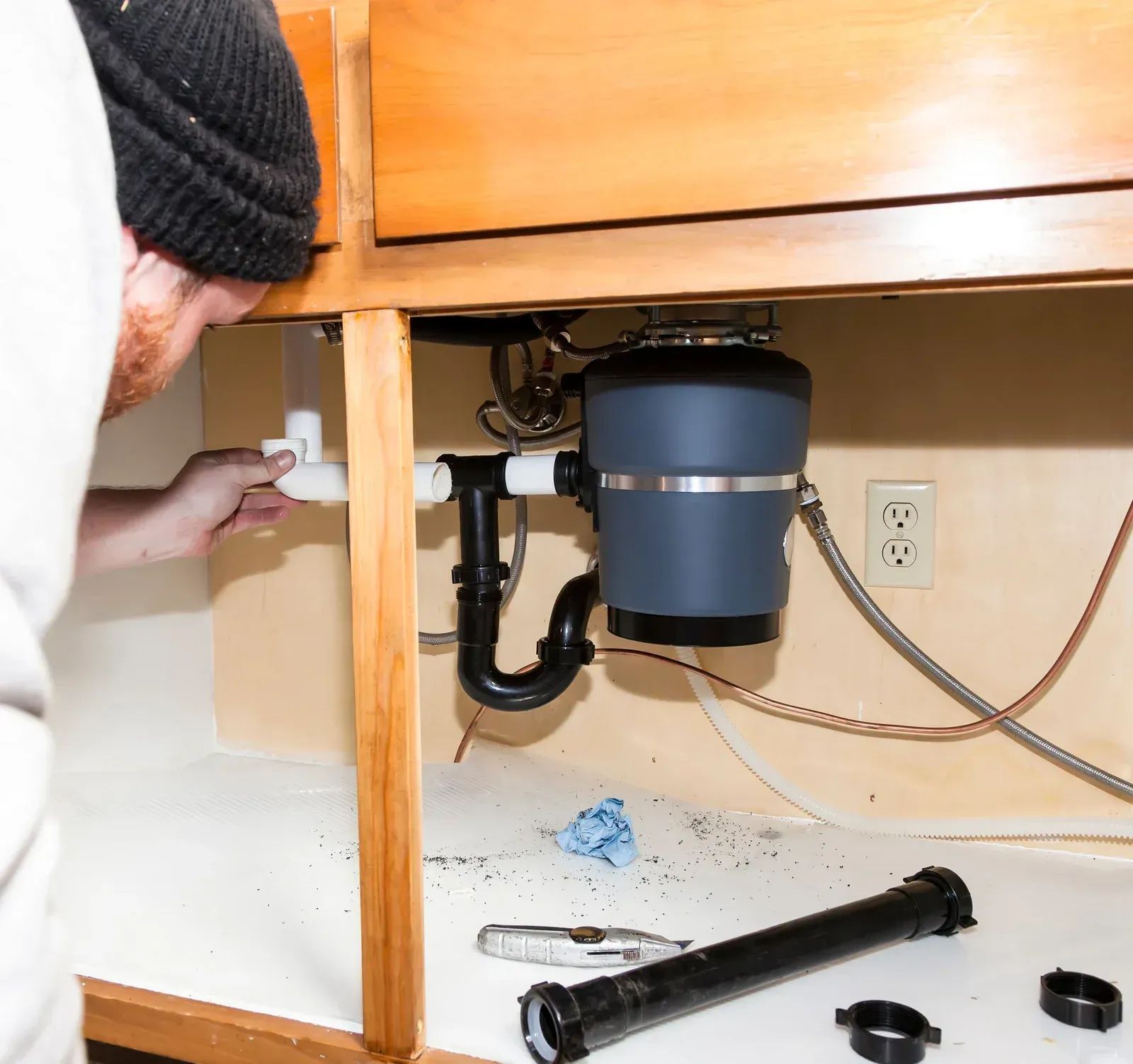
When the main line is blocked, that wastewater has nowhere to go. It backs up in the trunk and rises until it finds the lowest opening in the system that it can escape through. In most bathrooms, the tub or shower drain sits lower than the rim of the toilet, so that is where the water surfaces first. The toilet is not causing the backup; it is simply the fixture pushing a large volume of water into an already-blocked line, and the tub is the lowest exit that volume can find.
That is why the pattern matters more than the fixture. A backup confined to one drain, with everything else in the house working normally, usually means a local clog close to that fixture. But when flushing the toilet fills the tub, or running the washer makes a toilet gurgle, the wastewater from separate branches is colliding in a shared pipe. Plumbers call these cross-fixture reactions, and they point squarely at the main line rather than any single branch.
A quick test tells you which one you have.
Flush the toilet nearest the main line, usually the one on the lowest floor, and watch the tub or shower drain in the same bathroom while it runs. If water bubbles up or rises in the tub as the toilet flushes, the main line is the suspect. If only that one fixture acts up and everything else drains fine, you are more likely dealing with a branch clog you can isolate.
What Is Actually Blocking the Line
A main line does not clog overnight for no reason. Underground, out of sight, something has been narrowing the pipe for weeks or months, and the flush that finally pushed water into the tub was just the tipping point. A handful of causes account for most of what shows up on a camera.
Tree roots are the classic culprit in older neighborhoods
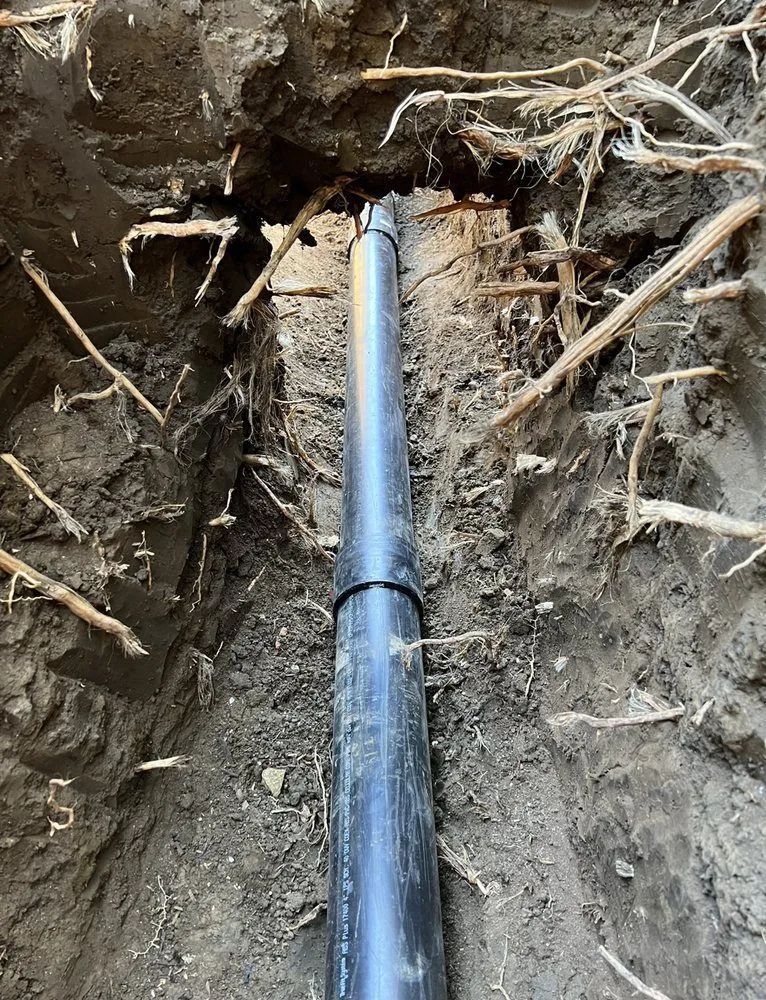
Roots grow toward the moisture and nutrients inside a sewer pipe, and once they reach a hairline crack or a loose joint, they push in and keep growing. In older parts of Inglewood and the South Bay, where mature trees line the streets and many laterals are decades old clay or cast iron, root intrusion is one of the most common reasons a main line closes down. The roots catch passing debris and build a dam that gets tighter with every flush.
Grease and debris build up from the inside
Fats, oils, and grease go down the kitchen drain as warm liquid, then cool and harden against the pipe wall. Over time that layer narrows the channel, and it grabs onto everything that floats past, including so-called flushable wipes, paper towels, and hygiene products that never break down the way toilet paper does. What starts as a slow drain becomes a full obstruction.
Aging and shifting pipe finishes the job
Older clay and cast iron lines crack, corrode, and shift as the ground moves, and a section that sags creates a low spot where waste collects instead of flowing through. In our slab-foundation homes on ground that moves with seismic activity and seasonal shifts, a pipe that was laid straight forty years ago rarely still is. Once the pipe is compromised, dirt and roots find their way in and the blockage accelerates.
Warning: Do not reach for chemical drain cleaners when the backup involves more than one fixture. Those products rarely travel far enough to reach a main line clog, they sit in standing water where they can damage pipes and fixtures, and they create a caustic hazard for anyone who has to open the line afterward. When the tub fills on a flush, the problem is past the point a bottle from the store can solve.
Why This Is Not a "Wait and See" Situation
It is tempting to mop up, avoid that bathroom, and hope the line clears itself. It will not. A main line blockage is a one-way street: the pipe only gets tighter as more debris piles against the obstruction, and a partial block that is merely annoying today becomes a complete block that puts raw sewage on your floor tomorrow.
The stakes are not just about mess. The EPA estimates there are at least 23,000 to 75,000 sanitary sewer overflows in the United States every year, and blockages in residential lines are a leading cause. When one of those backups reaches the inside of a home, it brings the contents of the sewer with it. According to the EPA, raw sewage can carry bacteria, viruses, parasites, intestinal worms, mold, and fungi, and contact ranges from mild illness to something far more serious. That is why every plumber and restoration guide treats a multi-fixture backup as an urgent problem rather than a nuisance to schedule around.
There is also the matter of what keeps making it worse. Every load of laundry, every shower, every flush sends more water into a line that cannot move it, and each one raises the level in the trunk and pushes the backup further into the house. The single most useful thing you can do before help arrives is simple: stop adding water.
Here is what to do the moment you see it
Quit using every water fixture in the house, including sinks, the dishwasher, and the washing machine, because they all drain into the same blocked line. Keep people and pets away from any standing wastewater, and wear gloves and eye protection if you have to be near it. If sewage has reached outlets or appliances, cut power to that area at the breaker rather than wading in. Then leave the diagnosis to a camera and a professional, because guessing at the location underground only wastes time the line does not have.
How the Blockage Gets Found and Cleared
Because the fault is buried, the fix starts with seeing it, not guessing at it. The reliable way to diagnose a main line problem is a video camera fed into the line through the cleanout, the capped access point that ties directly into your main. The camera shows the exact spot, the depth, and the cause, whether that is a root mass, a grease plug, a bellied section holding water, or a collapsed length of pipe. That single step separates a quick clearing job from a repair, and it takes the guesswork out from the start.
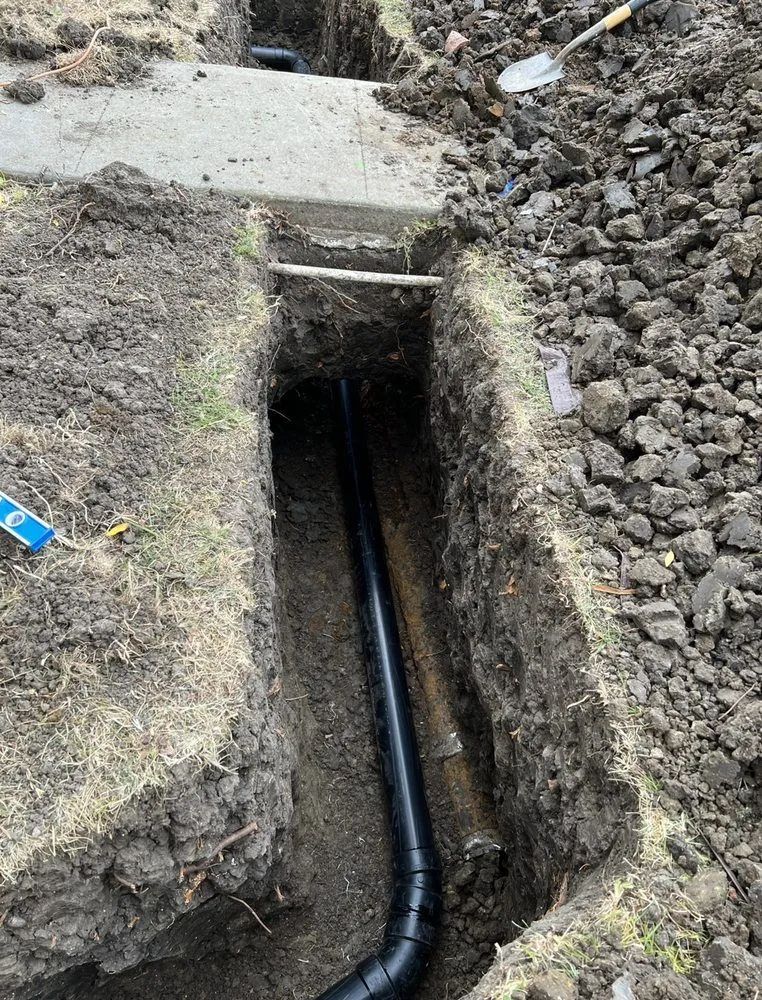
Once the cause is known, the clearing method follows from it. A cable machine, or snake, can punch through many clogs, but on a root-choked or grease-lined pipe it often bores a narrow hole through the middle and leaves the walls coated, which is why the same line clogs again a month later. High-pressure water jetting scours the pipe wall to wall, cutting roots and stripping grease so the full diameter is restored. When the camera reveals cracked, collapsed, or badly bellied pipe, clearing alone will not hold, and the line needs repair or replacement, which in many yards can be done with trenchless methods that spare the landscaping and driveway.
Tip: If your home has an accessible cleanout in the yard or along the foundation, learn where it is now, before you ever need it. It gives a plumber direct access to the main line and can turn a longer diagnostic visit into a faster one. If you do not have one, adding a cleanout during a repair is one of the most useful upgrades an older South Bay home can get.
The point of the whole process is to fix the reason, not just relieve the symptom. Anyone can push water past a blockage for a day. Restoring the full line so the tub stays empty on every future flush is what actually solves it.
Frequently Asked Questions
Why does sewage come up in my tub instead of the toilet when I flush?
When the main sewer line becomes blocked, wastewater rises through the home's lowest drain opening. Since bathtub drains usually sit lower than toilet bowls, sewage escapes there first, indicating a main line backup rather than a problem with the tub itself.
Is this a clog in my tub drain or somewhere deeper?
If only the bathtub drains slowly, the clog may be local. However, when flushing toilets or using other fixtures causes sewage or water to appear in the tub, the blockage is usually located within the home's main sewer line instead.
Can I fix a main line backup myself with a plunger or a store-bought product?
No. Plungers and chemical drain cleaners rarely clear blockages affecting the entire main sewer line. Professional camera inspections and specialized equipment identify the exact cause, remove the obstruction safely, and reduce the likelihood of recurring sewer backups or damage afterward.
How urgent is it if the tub fills every time I flush?
Treat this as an urgent plumbing problem. Continued water use can worsen the blockage, forcing contaminated sewage into your home. Stop using sinks, toilets, and appliances immediately until the main sewer line is professionally inspected and cleared to prevent additional damage.
What causes a main sewer line to clog in an older home?
Older sewer lines commonly clog because of invading tree roots, grease accumulation, pipe corrosion, shifting soil, or deteriorating clay and cast-iron materials. These conditions gradually restrict wastewater flow until multiple fixtures begin backing up throughout the home's plumbing system simultaneously together.
Why does my drain clog again a few weeks after it was snaked?
Snaking often creates only a temporary opening through the blockage without removing buildup from the pipe walls. Grease, roots, or debris quickly accumulate again, causing recurring clogs. Camera inspections and hydro jetting provide a more complete, longer-lasting solution for drainage.
Getting the Line Flowing Again
Sewage in the tub on every flush is not a tub problem, and it is not something a bottle of drain cleaner or a hopeful weekend of waiting will fix. It is your home's main sewer line telling you, in the plainest way it can, that the one pipe every fixture depends on is blocked and getting tighter. The water surfaces in the tub because that is the lowest door it can find, and each flush after that only raises the pressure behind the obstruction. The right move is to stop feeding the line and get eyes on the actual blockage underground.
A tub that fills with sewage every time you flush means your main line is closing off, and every hour of running water pushes the backup deeper into your home. With 25
years of experience, Jurguen's Plumbing
runs a camera through the cleanout to pinpoint whether roots, grease, or a cracked older pipe is behind it, then clears the full line with jetting or repairs the damaged section so the tub stays empty on the next flush for homeowners in Inglewood, California. Schedule a main line inspection before the partial blockage becomes raw sewage on your floor.