How Preventive Plumbing Maintenance Can Extend the Life of Your Fixtures
Plumbing systems are the unsung heroes of every home and commercial building, quietly ensuring a steady flow of water, proper drainage, and sanitation. Despite their critical role, many property owners overlook the importance of routine maintenance, often waiting until a noticeable leak, clog, or fixture failure occurs. This reactive approach can be costly, not just in terms of repair expenses but also in the long-term wear it causes to plumbing fixtures. Understanding how preventive plumbing maintenance can safeguard your investments and avoid disruptive emergencies is crucial for homeowners, property managers, and business owners alike.

Preventive plumbing maintenance involves regular inspections, cleaning, and minor repairs aimed at identifying potential problems before they escalate. By proactively addressing issues such as pipe corrosion, mineral buildup, or minor leaks, property owners can extend the lifespan of faucets, sinks, toilets, and other essential fixtures. Beyond preserving functionality, maintenance improves water efficiency, enhances system reliability, and reduces the risk of water damage. In this blog, we will explore practical strategies, real-world examples, and expert insights into preventive plumbing, demonstrating how a consistent maintenance routine is one of the most effective ways to protect both your fixtures and your property.
1. Understanding Preventive Plumbing Maintenance
What It Entails
Preventive plumbing maintenance is the practice of regularly inspecting and servicing plumbing systems to prevent major failures. Unlike emergency repairs, which occur after a problem has already caused damage, preventive measures aim to detect minor issues before they escalate. Tasks may include checking for leaks, inspecting pipes for corrosion, testing water pressure, cleaning drains, and servicing water heaters.

Regular maintenance ensures that plumbing fixtures operate efficiently. For example, a routine check of a showerhead may reveal mineral deposits that restrict water flow. Addressing this early prevents undue strain on the pipes and prolongs the fixture’s life. Similarly, inspecting the seals and gaskets in faucets or toilets can prevent leaks that, if ignored, could lead to structural damage.
Why It Matters
Neglecting preventive maintenance can lead to sudden fixture failures, water waste, and costly repairs. According to industry studies, homes that adhere to a regular plumbing inspection schedule often experience fewer emergency repairs and enjoy extended fixture lifespans. Beyond cost savings, regular maintenance promotes a healthier living environment by reducing mold growth, stagnant water, and other hygiene-related issues caused by leaking or malfunctioning fixtures.
2. Key Benefits of Preventive Plumbing Maintenance
Extended Fixture Lifespan
One of the most direct benefits of preventive maintenance is extending the life of plumbing fixtures. Faucets, sinks, toilets, and water heaters endure constant wear and tear. Regular cleaning and minor repairs reduce stress on moving parts and prevent corrosion or mineral buildup that can shorten their functional lifespan.

For instance, flushing a water heater annually helps remove sediment that can reduce heating efficiency and strain internal components. Similarly, applying plumber-recommended lubricants to faucet mechanisms prevents premature wear. Over time, these small interventions can delay the need for costly replacements by years.
Improved Water Efficiency
Efficient plumbing systems conserve water and reduce utility bills. Preventive maintenance identifies leaks and drips early, which can otherwise waste hundreds of gallons annually. Replacing worn-out washers, tightening loose connections, or installing aerators on faucets can dramatically improve water usage without compromising performance.
Reduced Emergency Costs
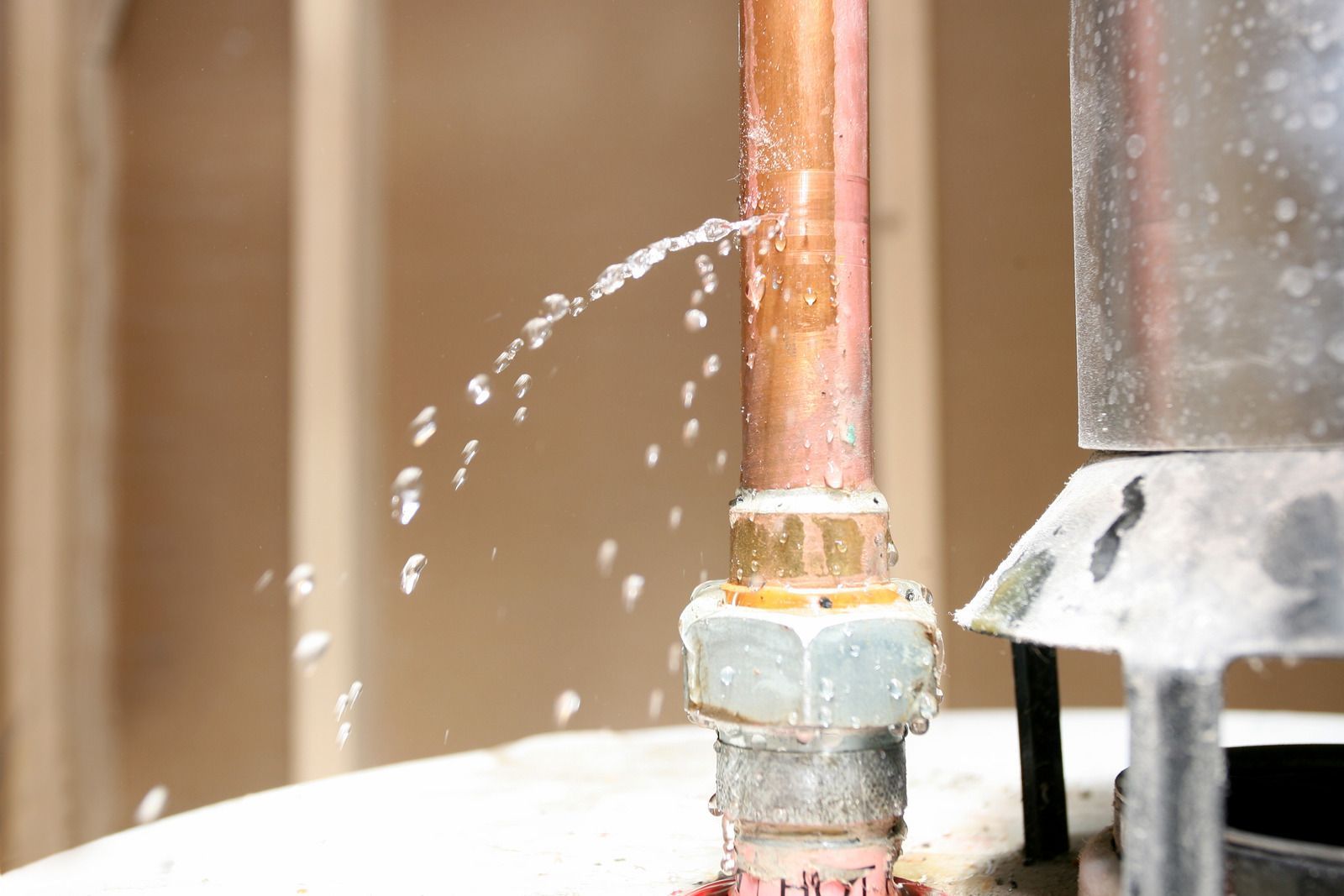
Emergency plumbing repairs are often expensive and inconvenient. By catching minor issues early, preventive maintenance minimizes the likelihood of unexpected failures. For example, a small leak in a pipe might be easily repaired during a scheduled inspection, but if left unattended, it could burst, causing water damage and requiring extensive restoration.
Enhanced Home or Business Safety
Faulty plumbing can create safety hazards, including water contamination, mold growth, and structural damage. Routine inspections detect potential threats before they escalate. For commercial properties, maintaining safe and efficient plumbing systems is also crucial for compliance with health and safety regulations.
3. Common Preventive Maintenance Practices
Regular Pipe Inspections
Pipes are the arteries of any plumbing system. Regular inspections can detect corrosion, leaks, or weak joints before they lead to major failures. Homeowners should check accessible pipes under sinks, in basements, and near water heaters. Professionals often use advanced tools like video cameras to inspect hidden pipes and identify issues that are not immediately visible.
Drain Cleaning and Unclogging
Clogged drains not only disrupt water flow but also increase pressure on pipes and fixtures. Routine drain cleaning removes accumulated hair, grease, and debris, preventing backups and reducing the risk of pipe damage. Methods include manual snaking, hydro-jetting, and enzymatic cleaners that break down organic material without harming pipes.
Water Heater Maintenance
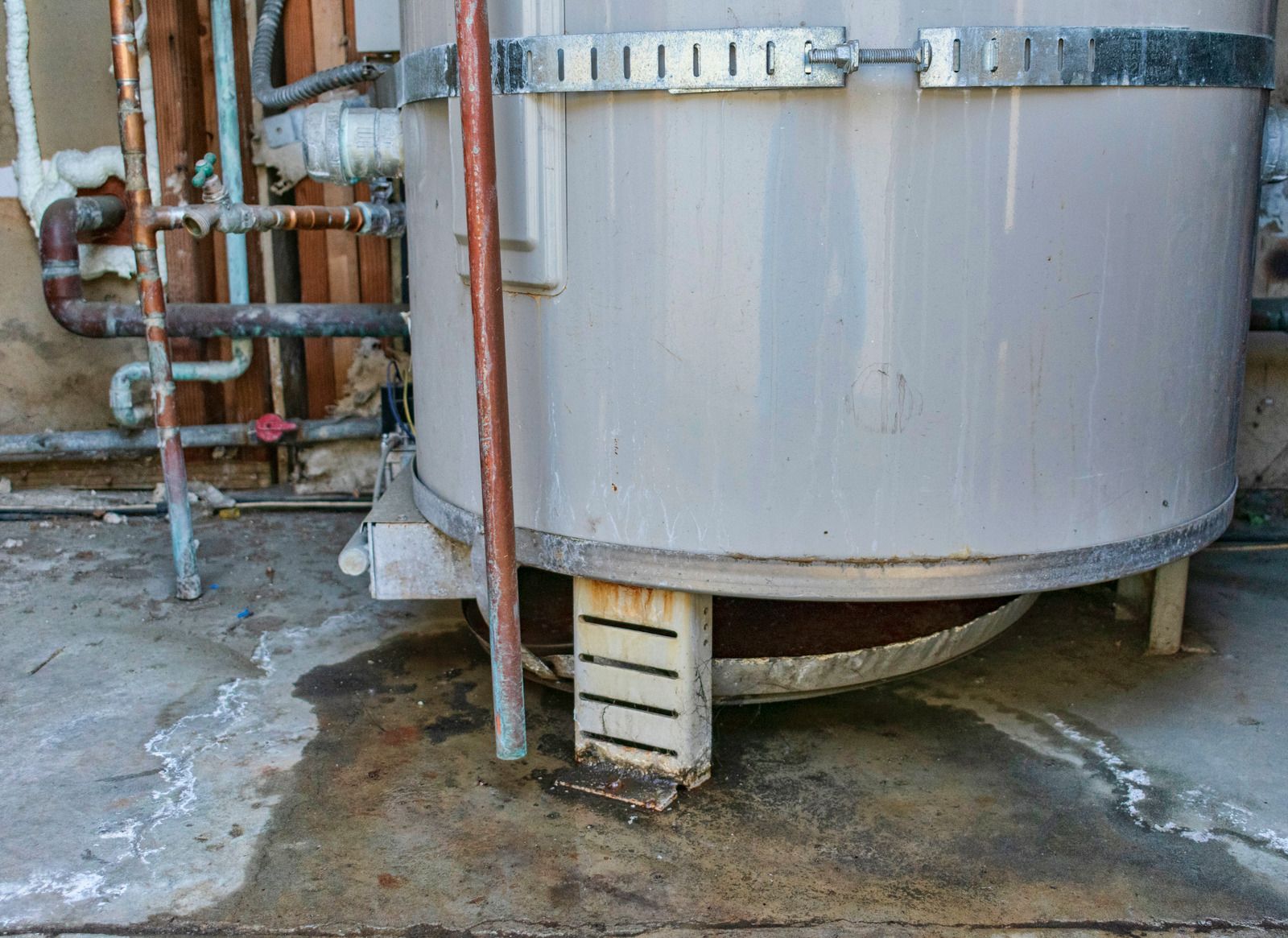
Water heaters require periodic flushing to remove sediment buildup, which can cause inefficiency and reduce the tank’s lifespan. Inspecting pressure relief valves and checking for leaks or rust also helps maintain optimal performance. Preventive maintenance on water heaters ensures consistent water temperature and reduces energy costs.
Fixture Inspections
Faucets, toilets, and showerheads experience constant use and are prone to wear. Inspecting these fixtures for leaks, loose connections, or worn washers can prevent water wastage and structural damage. Minor repairs, such as replacing seals or tightening screws, are far less expensive than full fixture replacements.
Water Pressure Checks
Excessive water pressure strains pipes and fixtures, leading to leaks and premature wear. A simple test with a pressure gauge can detect issues early. If needed, professionals can install pressure regulators or adjust existing systems to maintain safe pressure levels.
4. Real-World Scenarios Highlighting Preventive Maintenance
Residential Example
Consider a family home in a region with hard water. Over time, mineral deposits accumulate in faucets, showerheads, and water heaters, reducing efficiency and causing leaks. A homeowner who schedules biannual inspections and flushes the water heater annually can prevent these issues. The result is a system that runs smoothly, uses less water, and extends the life of fixtures by several years.
Commercial Example
In an office building, minor leaks in restroom toilets went unnoticed, leading to water wastage and increased utility bills. By implementing a preventive maintenance program, the property management team detected and repaired leaks early, replaced worn parts, and ensured that fixtures operated efficiently. This not only saved thousands in annual water costs but also avoided potential damage to floors and walls.
Seasonal Considerations
Preventive plumbing maintenance is especially important in areas with extreme temperatures. In colder climates, winterizing outdoor faucets and insulating pipes prevents freezing and bursting, while in warmer regions, checking for corrosion due to water quality can prevent premature fixture failure. Tailoring maintenance schedules to seasonal conditions maximizes effectiveness and reduces risks.
5. Challenges and Solutions in Preventive Plumbing
Common Obstacles
One of the main challenges in preventive plumbing is neglect due to busy schedules or underestimating the importance of maintenance. Many homeowners only address plumbing issues when a noticeable problem arises, which often leads to costly repairs. In commercial settings, deferred maintenance can affect employee productivity and building operations.

Another challenge is identifying hidden issues within walls or under floors. Without specialized tools, minor leaks or pipe corrosion may go unnoticed until significant damage occurs.
Expert Solutions
Hiring a licensed plumbing professional ensures thorough inspections using advanced diagnostic tools. Professionals can detect leaks, evaluate pipe conditions, and perform minor repairs that prevent escalation. Establishing a regular maintenance schedule—such as semiannual or annual inspections—helps integrate preventive care into property management routines.
6. Best Practices for Effective Preventive Plumbing
Develop a Maintenance Schedule
Creating a structured schedule is essential for effective preventive plumbing. This includes routine inspections, cleaning, and servicing of water heaters, faucets, toilets, and other fixtures. Documenting completed maintenance helps track system health over time.
Use Quality Parts and Materials
When performing preventive maintenance, using high-quality replacement parts ensures longevity. Cheap or incompatible components can fail prematurely, undermining the benefits of maintenance. Investing in reliable materials provides long-term value and reduces recurring repairs.
Monitor Water Quality
Water quality significantly impacts the lifespan of plumbing fixtures. Hard water, high chlorine levels, or sediment can cause corrosion, mineral buildup, and wear. Installing water softeners or filtration systems and scheduling periodic water quality tests helps maintain system integrity and prolongs fixture life.
Maintain Professional Support
Even with a proactive approach, professional expertise is invaluable. Licensed plumbers can identify potential risks, perform complex maintenance, and recommend system upgrades to improve efficiency. Establishing a relationship with a trusted plumbing service ensures timely response to issues and long-term system reliability.
Reliable Fixture Maintenance Backed by Jurguen’s Experience
Preventive plumbing maintenance is more than a routine task—it is an investment in the longevity, efficiency, and safety of your plumbing system. From regular inspections and drain cleaning to water heater servicing and fixture evaluations, consistent preventive measures protect against costly repairs, water waste, and unexpected emergencies. By addressing minor issues before they escalate, property owners can enjoy extended fixture lifespans, improved water efficiency, and enhanced operational reliability. Real-world scenarios, from residential homes to commercial buildings, demonstrate that a proactive approach pays dividends in both cost savings and system performance.
For property owners seeking professional guidance, Jurguen's Plumbing
in Inglewood, California, offers 25
years of dedicated experience in preventive plumbing maintenance. Our team specializes in inspections, repairs, and proactive services that extend the life of plumbing fixtures while enhancing overall system efficiency. With a reputation built on reliability, attention to detail, and customer satisfaction, Jurguen's Plumbing
combines technical expertise with personalized service. Whether it’s a routine inspection or a complex maintenance challenge, our professionals ensure your plumbing systems operate smoothly, prevent costly damage, and conserve water. Trust us to deliver proven strategies, expert solutions, and unparalleled support, keeping your fixtures in optimal condition for years to come.