Sewer Line Repair vs. Replacement: Which Option Is Right for Your Home?

May 29, 2026

Sewer line problems can create serious disruptions inside any home, affecting drainage, sanitation, plumbing performance, and overall property safety. When drains begin backing up repeatedly, foul odors appear around the yard, or wastewater starts moving slowly through fixtures, many homeowners face an important decision: should the sewer line be repaired or fully replaced? Understanding the difference between these two options is essential because the wrong decision can lead to recurring plumbing failures, unnecessary excavation costs, and long-term structural damage beneath the property. Sewer systems naturally deteriorate over time due to corrosion, shifting soil, root intrusion, pipe collapse, aging materials, and constant underground pressure. Identifying the true condition of the line helps determine whether a targeted repair can restore functionality or whether a complete replacement offers the better long-term investment.


Modern plumbing diagnostics now allow professionals to inspect underground sewer lines with greater accuracy before recommending major work. Video camera inspections, leak detection methods, and trenchless repair technologies have changed how sewer issues are handled in residential properties. Instead of relying on assumptions, homeowners can evaluate pipe damage based on measurable evidence, repair longevity, property impact, and future maintenance concerns. Knowing when repair is practical and when replacement becomes necessary helps protect both the home and the plumbing system.

Understanding How Sewer Line Damage Develops

Common Causes of Sewer Line Failure

Residential sewer lines operate underground for decades while handling continuous wastewater flow from kitchens, bathrooms, laundry systems, and drains. Over time, several conditions can weaken or damage these pipes. Tree root intrusion remains one of the most common causes of sewer line problems because roots naturally seek moisture and can penetrate tiny cracks or joints within the pipe. Once inside, roots expand and obstruct wastewater movement.


Older sewer systems made from clay, cast iron, or Orangeburg piping are also vulnerable to corrosion, shifting soil, and material deterioration. Ground movement caused by weather changes, earthquakes, nearby construction, or heavy vehicle traffic may place pressure on buried pipes and create fractures. Grease buildup, flushing improper materials, and years of accumulated debris can further increase internal strain within the sewer system.

Warning Signs Homeowners Should Never Ignore

Sewer line issues often produce noticeable warning signs before complete failure occurs. Multiple slow drains throughout the home usually indicate a larger problem within the main sewer line rather than an isolated fixture clog. Gurgling sounds inside toilets or drains may suggest trapped air caused by restricted wastewater flow.


Persistent sewage odors indoors or outside near the yard can signal cracks, leaks, or sewer gas escaping from damaged pipes. Water backing up into tubs, sinks, or floor drains often points to a serious obstruction within the sewer system. In some cases, homeowners may notice unusually green patches of grass, soggy soil, or sinkholes forming above underground sewer lines due to hidden leaks.


Ignoring these warning signs can allow damage to spread further underground. Early inspection gives homeowners more repair options before pipe deterioration reaches the point of full replacement.

When Sewer Line Repair Is the Better Option

Situations Where Repairs Make Sense

Sewer line repair is often the preferred solution when damage is isolated, limited in scope, and structurally manageable. Small cracks, joint separations, localized root intrusion, or minor corrosion can frequently be corrected without replacing the entire pipe system. Repair solutions are especially practical when most of the sewer line remains in good condition and the damaged area is clearly identified through camera inspection.


Spot repairs can restore sewer functionality while minimizing excavation across the property. Modern trenchless methods such as pipe lining or pipe bursting may allow sections of pipe to be repaired internally without extensive digging through landscaping, driveways, or concrete surfaces.


For homeowners dealing with newer sewer systems or isolated damage caused by temporary conditions, repairs may offer a cost-conscious approach that restores proper drainage without unnecessary replacement work.

Benefits of Sewer Line Repair

One major advantage of sewer repair is reduced property disruption. Traditional sewer excavation can involve removing sections of landscaping, sidewalks, patios, or hardscape features. Smaller repairs often limit this impact and shorten project timelines.


Repair work also generally costs less upfront compared to full sewer line replacement. When the existing pipe still has substantial structural integrity, repairing the affected section may extend system lifespan while avoiding the expense of complete excavation and reconstruction.


In many cases, repairs can be completed quickly, helping homeowners restore plumbing function without long periods of interruption. Some trenchless repair methods also reduce labor requirements and preserve more of the property's original appearance.

Limitations of Repair Solutions

Although repairs can solve certain sewer issues, they may not address widespread deterioration affecting the entire pipe system. A repaired section attached to severely aging piping can still leave the homeowner vulnerable to future failures elsewhere along the line.


Repeated repairs over several years may eventually cost more than replacement if pipe deterioration continues spreading underground. Temporary solutions may also fail when major root intrusion, pipe collapse, or severe corrosion already exists throughout large portions of the sewer system.


Choosing repair over replacement should always depend on the overall condition of the pipe rather than only the immediate problem area.

When Sewer Line Replacement Becomes Necessary

Severe Pipe Deterioration and Structural Failure

Complete sewer line replacement is usually recommended when the pipe system has widespread structural damage that cannot be reliably corrected through repairs alone. Older sewer systems approaching the end of their lifespan often develop recurring leaks, fractures, corrosion, root intrusion, and collapsing sections simultaneously.


Pipes made from outdated materials may no longer provide dependable wastewater flow even after isolated repairs. If camera inspections reveal multiple failing sections across the line, replacement often provides the most reliable long-term solution.


Collapsed pipes, major bellies in the sewer line, severe misalignment, and extensive root damage may also prevent repair methods from restoring proper structural stability. In these situations, replacement eliminates the failing system entirely rather than repeatedly addressing isolated symptoms.

Long-Term Financial Advantages of Replacement

Although replacement carries higher upfront costs, it can reduce long-term plumbing expenses when ongoing repairs become frequent. Installing a new sewer line provides homeowners with a fresh plumbing system designed to handle wastewater flow more reliably for decades.


Replacement may also improve property value by eliminating concerns associated with aging underground plumbing infrastructure. Buyers often view newly replaced sewer systems as a major advantage during property inspections and real estate transactions.


Modern replacement materials such as PVC piping offer improved durability, corrosion resistance, and root intrusion protection compared to many older sewer pipe materials. For homes with repeated sewer failures, replacement often becomes the more financially stable long-term investment.

Modern Replacement Methods Reduce Property Damage

Traditional sewer replacement once required extensive trench excavation across large portions of the property. Today, trenchless replacement methods have significantly reduced surface disruption in many situations.


Pipe bursting technology allows professionals to break apart old pipes underground while simultaneously pulling new piping into place. This method can often preserve landscaping, driveways, and outdoor structures while still replacing the full sewer line.


While not every property qualifies for trenchless methods, advancements in plumbing technology now give homeowners more replacement options than in previous decades.

Professional Sewer Inspections Help Prevent Costly Mistakes

Why Camera Inspections Matter

Accurate sewer diagnosis is critical before choosing any major plumbing solution. Sewer camera inspections allow professionals to evaluate underground pipe conditions in real time without unnecessary excavation.


High-resolution cameras travel through the sewer line and identify cracks, root intrusion, corrosion, misalignment, standing water, and structural failures. This technology helps determine whether damage is localized or widespread throughout the system.


Without proper inspection, homeowners may risk paying for repairs that fail to address larger structural problems hidden underground.

The Importance of Expert Recommendations

Not every sewer issue requires immediate replacement, and not every repair will provide lasting results. Experienced plumbing professionals analyze pipe condition, system age, material type, repair history, and property conditions before recommending solutions.


Honest assessments help homeowners avoid overspending on unnecessary replacement work while also preventing repeated repairs on failing systems. A balanced recommendation focuses on long-term functionality, system reliability, safety, and overall value rather than short-term convenience alone.


Professional evaluations provide homeowners with the information needed to make confident decisions regarding one of the property's most important plumbing systems.

Dedicated Plumbing Experts Delivering Reliable Sewer Solutions

Choosing between sewer line repair and replacement requires careful evaluation of the pipe’s condition, long-term reliability, repair history, and overall cost considerations. While some sewer problems can be resolved with targeted repairs, widespread deterioration often makes full replacement the more dependable option for protecting the home and plumbing system. Addressing sewer line issues early helps reduce the risk of water damage, sanitation concerns, and costly emergency plumbing failures later. Accurate inspections, modern diagnostic equipment, and experienced plumbing guidance all play an important role in determining the right solution for each property.


At Jurguen's Plumbing, we provide professional sewer line inspection, repair, and replacement services for homeowners throughout Inglewood, California, and surrounding areas. With more than 25 years of plumbing industry experience, we understand how underground sewer issues affect residential properties and long-term plumbing performance. Our approach focuses on honest evaluations, dependable workmanship, and practical solutions tailored to the actual condition of the sewer system. Our commitment to quality service, accurate diagnostics, and long-term plumbing reliability continues to make us a trusted choice for residential sewer line solutions.

April 16, 2026
Plumbing systems are the unsung heroes of every home and commercial building, quietly ensuring a steady flow of water, proper drainage, and sanitation. Despite their critical role, many property owners overlook the importance of routine maintenance, often waiting until a noticeable leak,
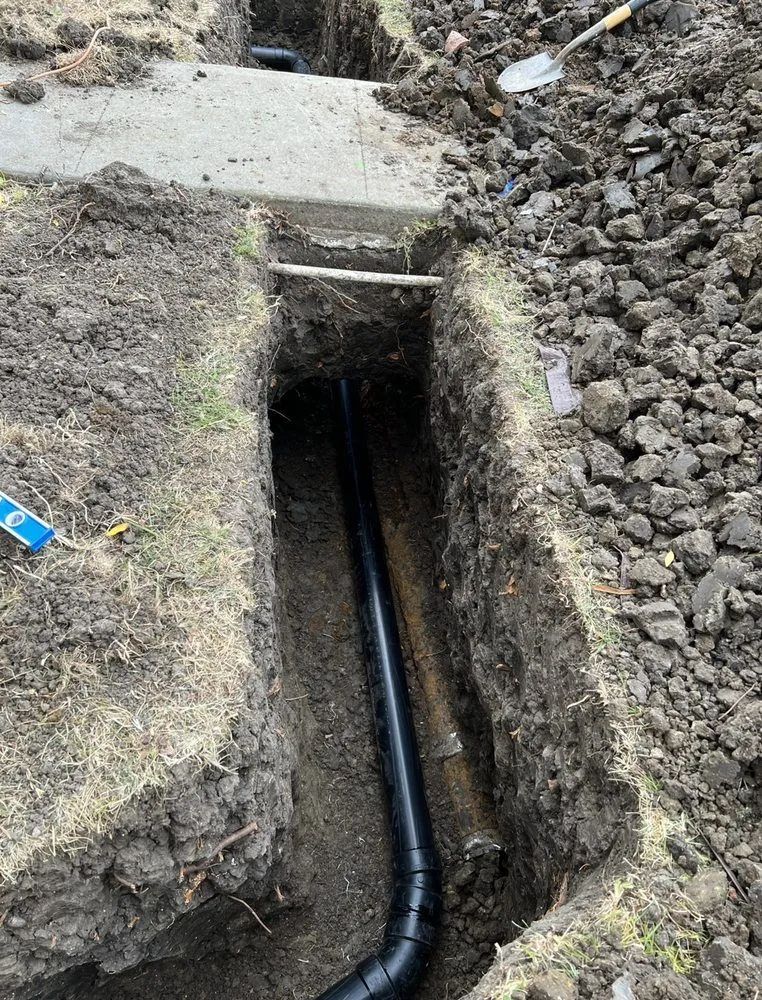
A black plastic pipe sits inside a freshly dug trench next to a concrete sidewalk, with dirt piles on either side.
March 14, 2026
Sewer lines are the unsung heroes of any property, silently ensuring that wastewater flows efficiently from homes and businesses to treatment facilities. Despite their crucial role, these systems often remain out of sight and out of mind until a significant problem arises.
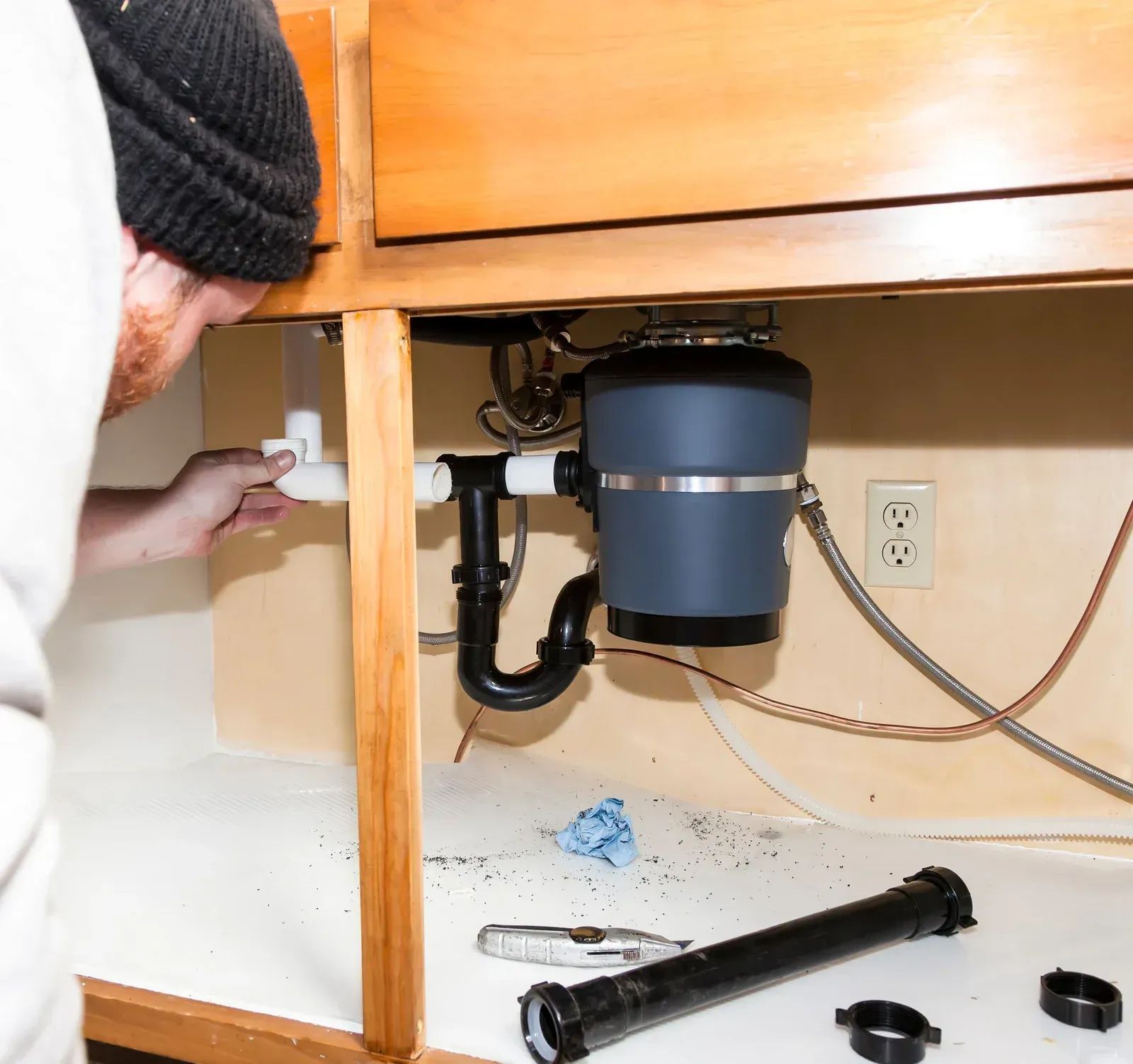
Person installing plumbing under a kitchen sink with a garbage disposal unit.
February 14, 2026
A garbage disposal is more than a convenience in a modern kitchen—it’s a critical component that supports efficient waste management and overall home hygiene. Despite their durability, these appliances are not immune to wear and tear.
Plumbing repair: Black pipe exposed in a wall. Pink tape marks the pipe. Tools and debris on the floor below.
January 12, 2026
Older homes carry unique charm, history, and architectural character that many homeowners cherish. However, alongside their appeal, these properties often come with aging infrastructure, particularly plumbing systems that may no longer meet modern standards.
Worker in blue jeans cutting yellow pipe with a tool, outdoors on grass.
December 25, 2025
Water leaks are among the most common yet overlooked problems in both residential and commercial properties. While a dripping faucet or a slow leak might seem minor, the cumulative effects can lead to significant property damage, inflated utility bills, and even health risks due to mold and mildew growth.
Bathroom with a soaking tub, glass shower, vanity with a large mirror, and a closed door.
November 17, 2025
Bathroom remodeling is more than just aesthetics—it’s about functionality, comfort, and increasing the value of your home. One of the most overlooked aspects of a successful remodel is plumbing. Upgrading pipes, fixtures,
Copper plumbing for a shower valve, mounted on wooden framing.
October 14, 2025
Gas lines are one of the most critical components of any home, supplying fuel for heating, cooking, and other essential functions. While some homeowners may feel confident tackling home repairs themselves, attempting a gas line repair without professional expertise is extremely dangerous.
Water filtration system with tanks, filters, and controls installed in a gray utility room.
September 17, 2025
Access to clean, safe water is a fundamental need for every household. While municipal water systems provide treated water, it often contains contaminants such as chlorine, sediment, heavy metals, and other impurities that can affect taste, health, and even household appliances.
Gray Rheem water heater, encased in metal, with various labels and fittings, against a brick wall.
August 23, 2025
In Southern California, where comfort and efficiency are top priorities for homeowners, a properly functioning water heater is essential. Whether it’s for daily showers, laundry, or dishwashing, consistent hot water access plays a key role in household convenience.
Show More