Smell Gas Near the Stove or Meter? What to Do Before You Call

August 27, 2026

Out of Sight, Out of Mind

Yellow or brown staining on a ceiling or wall is almost always a moisture signature. It may appear as a ring, a streak running from a corner, or a diffuse blotch near a light fixture. These marks indicate that water has saturated the material above and is wicking downward. The surface may feel dry by the time it stains, because the initial source of moisture may have dried partially, but the organic compounds that feed mold growth remain.


Pay particular attention to staining near plumbing walls, which are walls that contain water supply or drain lines, and to the ceilings of lower floors beneath bathrooms or kitchens.

Here is what to do the moment you see it

Quick Answer: If you smell gas near the stove or the meter, treat it as an emergency. Get everyone and every pet out of the house right away. Don't touch light switches, don't grab your phone while you're still inside, and don't go looking for the leak yourself. Once you're outside and away from the house, call your gas utility's emergency line or 911. Wait for the utility to confirm the property is safe before anyone goes back in. Only after that clearance does it become a job for a licensed plumber, who tracks down the actual source of the leak and repairs it.


You're standing at the stove, or you walk past the meter on the side of the house, and there it is. That rotten-egg smell that wasn't there yesterday. Your first instinct might be to lean in and check the burners, or start sniffing around the fittings to find where it's coming from. Fight that instinct. It's exactly the wrong move. A gas smell in or around your home is one of the rare situations where the correct first response has nothing to do with fixing anything. It's about getting people out and letting someone with the right equipment take it from there.


This matters more here than in a lot of places. A big chunk of the housing in Inglewood and across the South Bay went up decades ago, and older gas lines, tired appliance connectors, and slab foundations that make buried piping a pain to inspect all add up to more chances for something to go wrong. A fitting loosens. A line corrodes. A connector finally gives out after years of a stove getting pulled out and pushed back in for cleaning. Knowing the right sequence before you pick up the phone can be the difference between a scare that ends fine and one that doesn't.

Why That Smell Exists in the First Place

Natural gas has no smell of its own. None. Utilities add a chemical called mercaptan specifically so a leak announces itself, and that's what gives natural gas its sulfur, rotten-egg odor. It's added in tiny amounts because the human nose picks it up long before the gas in the air reaches a dangerous concentration. So that smell isn't a malfunction, and it isn't your imagination. It's a warning system built into the gas itself, because otherwise you'd have no way to know it was there at all.


That's also why a smell near the stove deserves the same urgency as a smell near the meter. A stove connects to your home's piping through a flexible connector and a shutoff valve, and either one can start leaking, especially on an older range or after the appliance has been moved around during a cleaning. A leak at the meter usually points to the service line or the meter fitting itself. Different location, same first response, because in the moment you have no way to know how big the leak is or how fast it's getting worse.

Other Signs You Should Never Ignore

Smell is the obvious tell, but it isn't the only one. A hissing or whistling sound near a fitting, a connector, or the meter can mean gas escaping under pressure, and it deserves the same reaction as the smell itself.


Underground, the signs look different. Gas leaking into soil can choke off plant roots, so a patch of grass or landscaping that's died or gone yellow for no clear reason, especially along the line running from the meter toward the house, is worth a second look. So is persistent bubbling in a puddle or a low, wet spot in the yard that isn't explained by sprinklers or rain.


Then there are the signs your body gives you before your nose does. A headache, dizziness, nausea, or a foggy, off feeling that clears up once you step outside can point to gas exposure, especially if more than one person in the house notices it around the same time. A pilot light that's gone out for no obvious reason, paired with even a faint odor, is worth checking rather than shrugging off.


Any single one of these is worth paying attention to on its own. Catch two or three at once and the urgency goes up fast.

Warning: If you smell gas, hear hissing near a gas line, or notice any of the signs above, act now. Don't flip light switches, don't use your phone while you're still inside, don't light a match or a lighter, and don't start the car if you're in an attached garage. Skip the doorbell and the garage door opener too. Any spark, however small, can ignite gas that's built up in the air. Get everyone and every pet out immediately, leaving doors open behind you if that doesn't slow you down, and move well away from the house, across the street or further if you can. Once you're clear, call your gas utility's emergency line or 911 from your phone. Don't go back inside for any reason until a technician or emergency responder tells you it's safe..

What Not to Do While You Wait

The urge to investigate is strong. Resist it anyway.


Don't try to sniff out the leak yourself by checking fittings or running a hand near the meter. Don't try to tighten a connector or turn a valve before you leave, and don't stop to open a window and "air it out" first, because every second spent doing that is a second you should be spending on your way to the door. Turning gas valves without training can make a small problem bigger, not smaller, so leave that alone. Shutting off the gas at the meter yourself is off the table too, unless a professional has walked you through exactly how, because getting it wrong can trade one hazard for another.


And don't talk yourself out of it because the smell seems faint. Mercaptan is detectable at concentrations far below what's actually dangerous. A faint smell can still mean gas is actively escaping. It doesn't mean the problem is small.

Tip: If you can grab pets on your way out without slowing down, do it. But never delay your own exit to go searching for one once you're already moving toward the door. Get the people out first, then tell emergency responders if a pet is still inside so they can check once the area's confirmed safe.

What Happens After You Call the Utility

A technician from the gas utility typically responds fast, often faster than a general emergency call, because gas leaks jump the queue. They show up with detection equipment that reads the concentration of gas in the air and traces it back toward the source, whether that's at the meter, along the service line, or somewhere inside near an appliance. Their job at this stage is safety, full stop, not repair. They'll decide whether it's safe to go back in, and in some cases they'll shut off gas service to the property entirely until the real problem gets fixed.


This is also where a lot of homeowners get confused about who's responsible for what. The utility owns and maintains the meter and the line running to it from the street. Everything past the meter, the piping through your house, the shutoff valves, the connectors feeding your stove or water heater or furnace, is yours. If the utility traces the leak to something on your side of the meter, gas doesn't go back on until that part gets repaired properly, and that's where a plumber comes in.

When It Becomes a Job for a Plumber

Once the utility clears the property and points, in general terms, to where the leak started, the repair on your side of the meter isn't something to tackle yourself. Gas line work takes specific training, code knowledge, and pressure-testing equipment to confirm a fix actually holds before the line goes back into service. Trying to handle a fitting or connector without that background risks rebuilding the exact hazard you just evacuated for.


A licensed plumber pressure-tests the affected line to find every weak point, not just the one that was obvious. They replace corroded pipe, damaged fittings, or worn appliance connectors, which fail more often on older ranges and in homes where a stove has been disconnected and reconnected repeatedly over the years for a remodel or a deep clean. Slab foundations, common all over Inglewood and the South Bay, make this trickier still, since buried lines running beneath or near the slab are harder to reach and harder to diagnose. That's exactly the kind of work that rewards someone who's traced gas lines through this type of construction before. A qualified plumber also confirms the finished repair meets current code and coordinates with the utility so service comes back on the right way, not just flipped back on and hoped for the best.


Older homes carry more of this risk simply because their gas lines and connectors have had more years to develop a weak point. That doesn't mean every older house has a problem waiting to happen. It does mean a professional look after any confirmed leak, and every so often even without one, is a smart habit rather than an overreaction.

Frequently Asked Questions

  • Is it ever okay to just open a window and see if the smell goes away?

    No. If you smell gas, leave the house immediately rather than opening windows or trying to ventilate it. Once everyone is safely outside, contact the gas utility and let trained professionals determine the appropriate next steps.

  • How is a stove gas leak different from a leak at the meter?

    The emergency response is the same: evacuate immediately. Stove leaks often involve connectors, valves, or appliance fittings, while meter-area leaks may involve utility equipment. Professionals determine the source and identify who is responsible for repairs.

  • My gas smell is faint and only shows up when I turn a burner on. Is that still an emergency?

    Yes. Even a faint gas odor should be treated seriously because smell strength cannot reliably indicate leak severity. Stop using the appliance, leave the property, and contact the gas utility from a safe location outside immediately.

  • Can I turn my own gas meter off if I think there's a leak?

    Do not delay evacuation to shut off the meter. Unless your gas utility has specifically instructed you how to operate it safely, leave the valve alone, move everyone outside, and allow the responding technician to handle it.

  • Once the utility says it's safe, do I still need to call a plumber?

    Yes, if the leak is within your home's gas piping or appliance connections. The utility may secure service, but a licensed plumber handles homeowner-side repairs and pressure-testing before the gas system can safely return to normal operation.

Keeping Your Home Safe After Gas Leaks

A gas smell near the stove or meter should always be handled as a safety issue first. Once everyone is outside and the gas utility has confirmed the property is safe, attention can shift to identifying what failed. For homeowners in Inglewood, CA, Jurguen's Plumbing brings 25 years of experience working with residential gas piping, appliance connections, fittings, and related plumbing systems, including those found in older homes where aging components may require especially careful inspection.


After a confirmed leak on the homeowner's side of the meter, proper repair involves more than replacing the first damaged fitting that appears responsible. The affected piping should be inspected, repaired where necessary, and pressure-tested to verify that the system holds safely before normal service resumes. Addressing worn connectors, corroded sections, damaged valves, and other weaknesses at the same time helps restore confidence in the system and reduces the chance of another unexpected gas odor appearing later in the home.

Bathroom toilet with seat open, against gray marble-patterned tiled walls and floor.
July 9, 2026
Sewage backing up into your tub when you flush? Learn about main line blockages & schedule an inspection with Jurguen's Plumbing today!
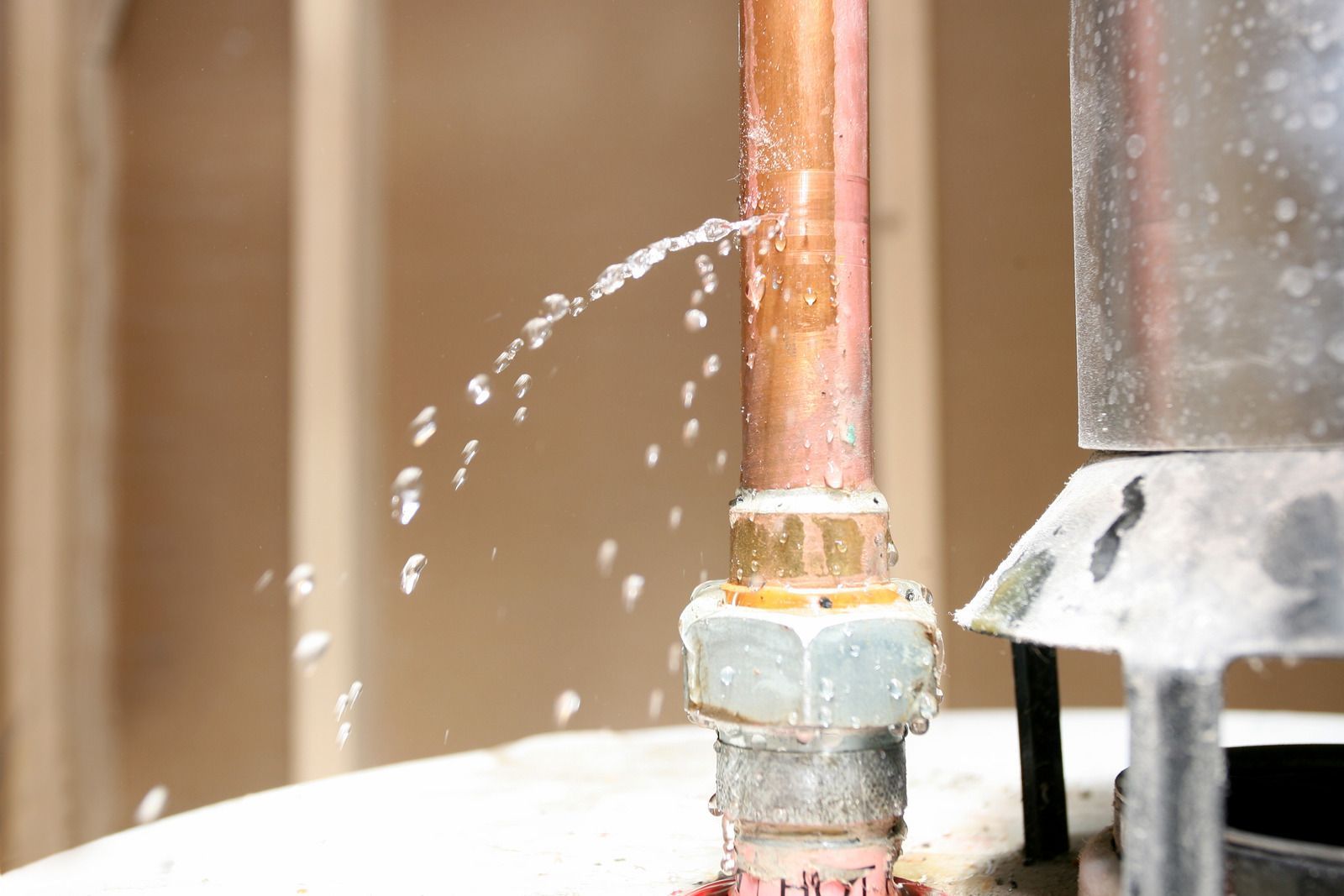
Leaking copper pipe spraying water onto a white surface indoors
June 15, 2026
Supply line leaks involve pressurized water escaping from pipes that deliver water to fixtures. They tend to cause faster and more widespread damage. Drain leaks occur when water escapes from drain pipes during use. Both require prompt repair, but supply leaks are typically the more urgent situation.
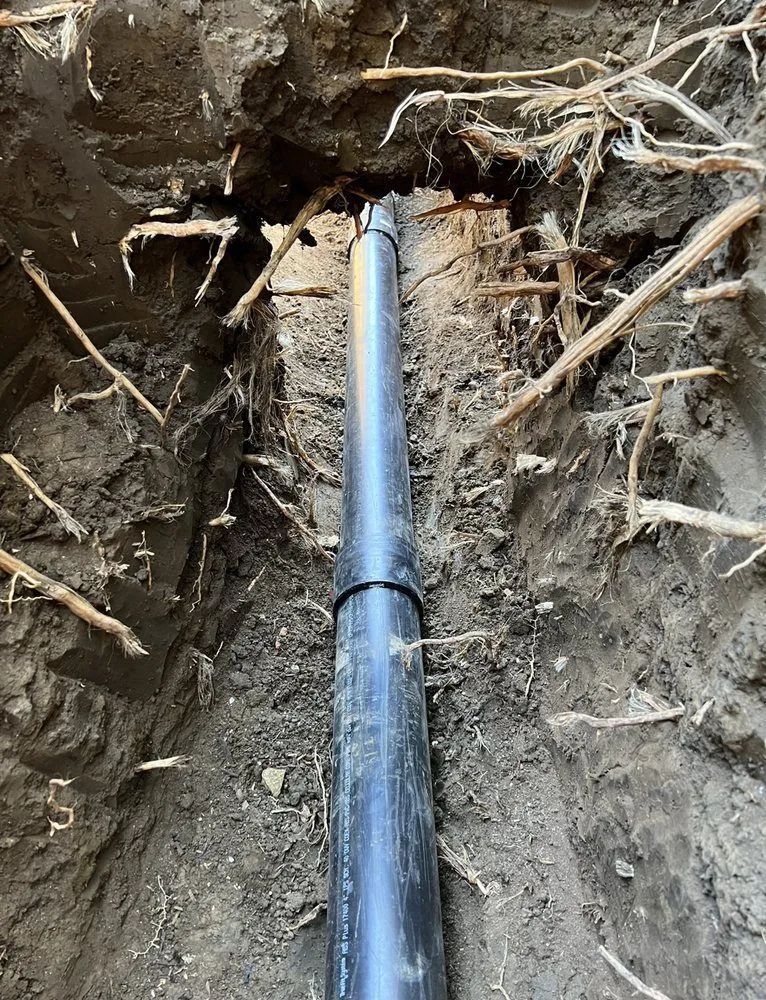
Black pipe running through a dirt trench with exposed roots and soil around it
May 29, 2026
Sewer line problems can create serious disruptions inside any home, affecting drainage, sanitation, plumbing performance, and overall property safety. When drains begin backing up repeatedly, foul odors appear around the yard,
April 16, 2026
Plumbing systems are the unsung heroes of every home and commercial building, quietly ensuring a steady flow of water, proper drainage, and sanitation. Despite their critical role, many property owners overlook the importance of routine maintenance, often waiting until a noticeable leak,
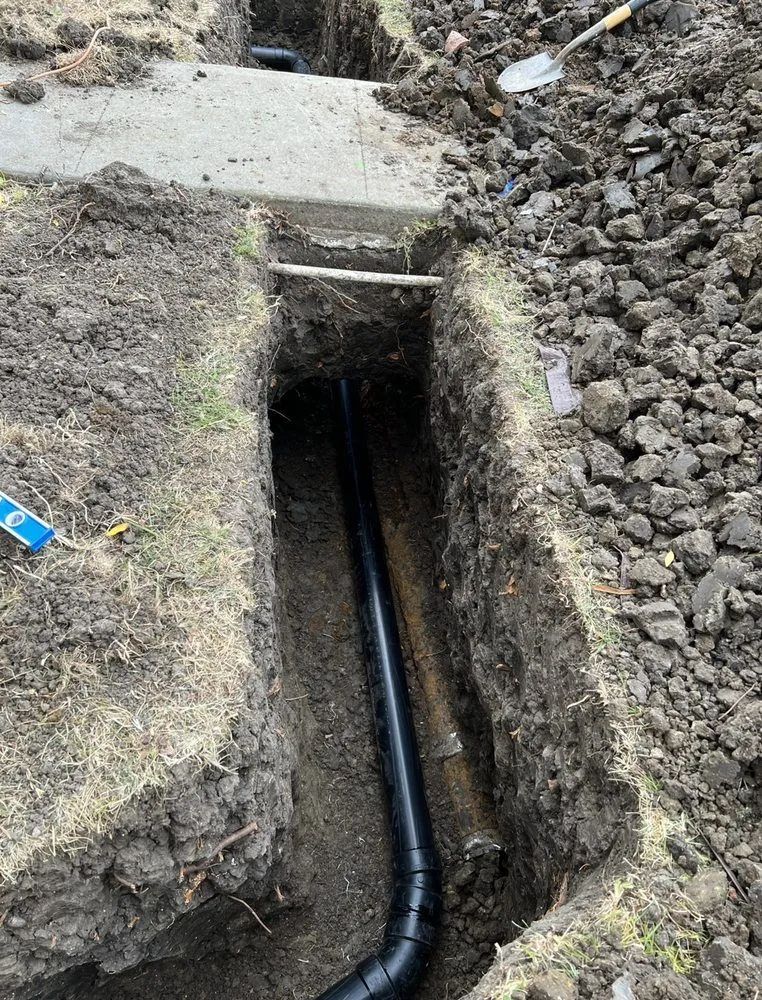
A black plastic pipe sits inside a freshly dug trench next to a concrete sidewalk, with dirt piles on either side.
March 14, 2026
Sewer lines are the unsung heroes of any property, silently ensuring that wastewater flows efficiently from homes and businesses to treatment facilities. Despite their crucial role, these systems often remain out of sight and out of mind until a significant problem arises.
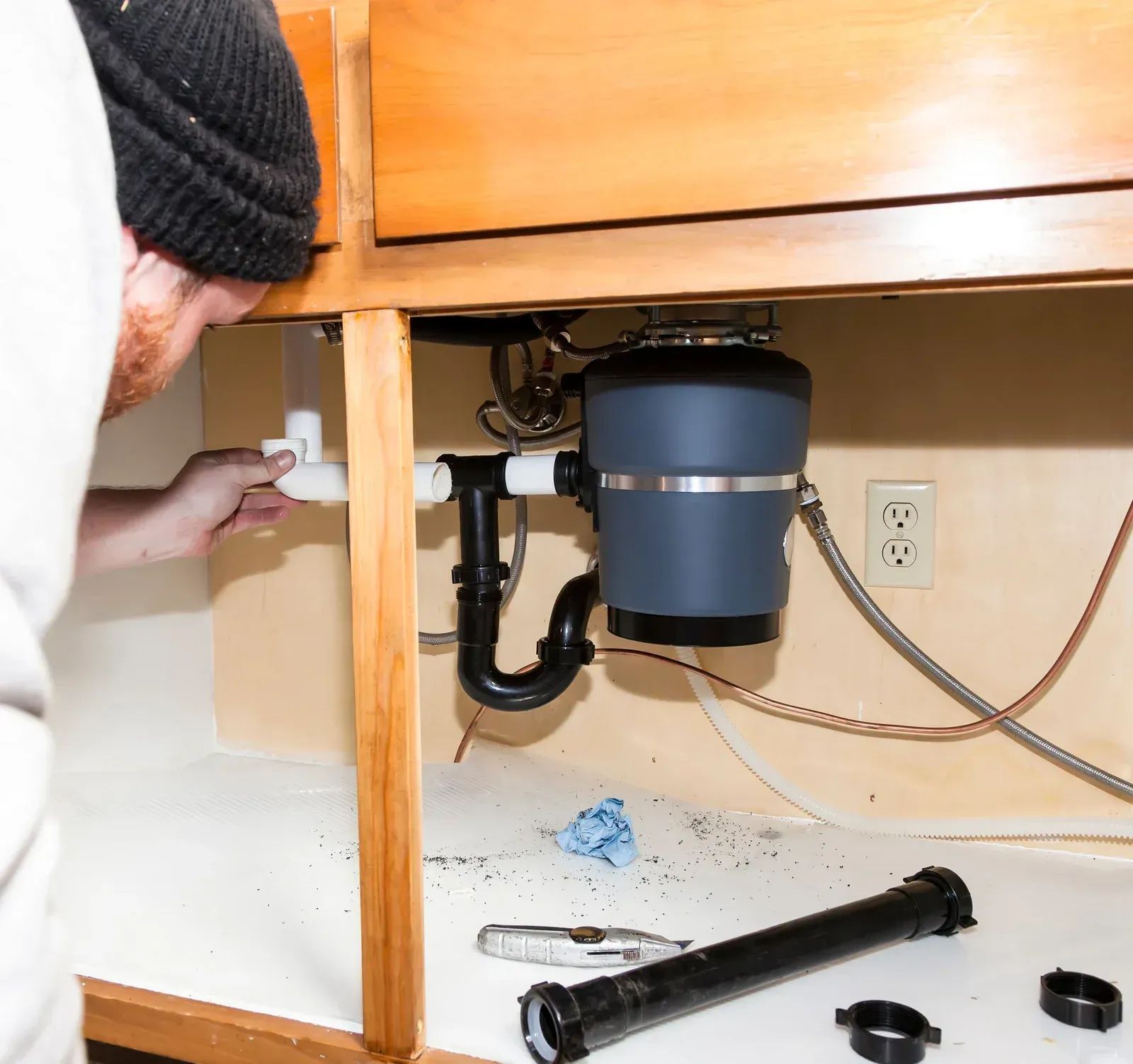
Person installing plumbing under a kitchen sink with a garbage disposal unit.
February 14, 2026
A garbage disposal is more than a convenience in a modern kitchen—it’s a critical component that supports efficient waste management and overall home hygiene. Despite their durability, these appliances are not immune to wear and tear.
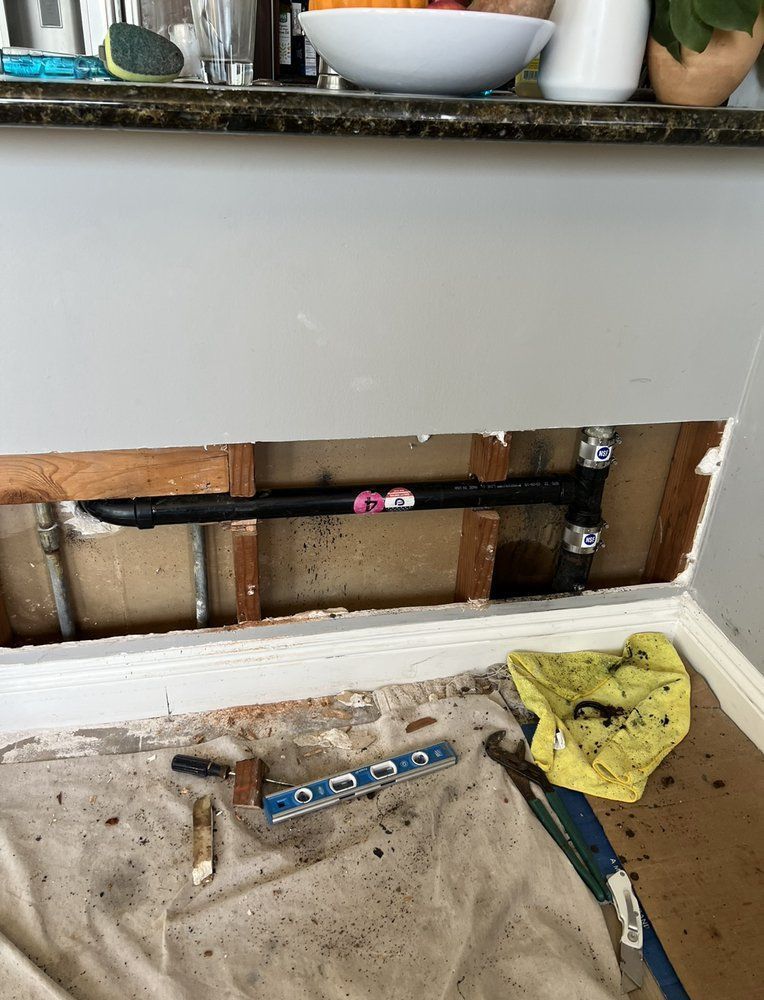
Plumbing repair: Black pipe exposed in a wall. Pink tape marks the pipe. Tools and debris on the floor below.
January 12, 2026
Older homes carry unique charm, history, and architectural character that many homeowners cherish. However, alongside their appeal, these properties often come with aging infrastructure, particularly plumbing systems that may no longer meet modern standards.
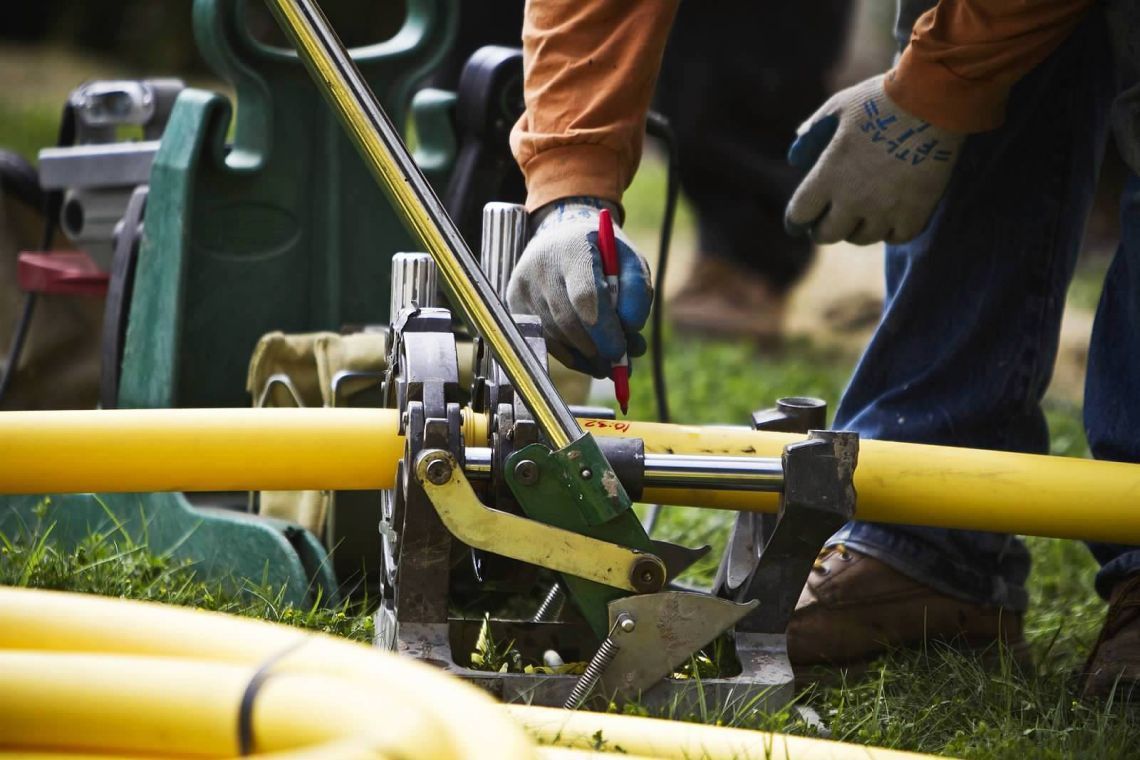
Worker in blue jeans cutting yellow pipe with a tool, outdoors on grass.
December 25, 2025
Water leaks are among the most common yet overlooked problems in both residential and commercial properties. While a dripping faucet or a slow leak might seem minor, the cumulative effects can lead to significant property damage, inflated utility bills, and even health risks due to mold and mildew growth.
Bathroom with a soaking tub, glass shower, vanity with a large mirror, and a closed door.
November 17, 2025
Bathroom remodeling is more than just aesthetics—it’s about functionality, comfort, and increasing the value of your home. One of the most overlooked aspects of a successful remodel is plumbing. Upgrading pipes, fixtures,
Show More