Low Water Pressure Across an Older Inglewood Home? Why the Pipes May Be the Cause

November 3, 2026

Out of Sight, Out of Mind

Yellow or brown staining on a ceiling or wall is almost always a moisture signature. It may appear as a ring, a streak running from a corner, or a diffuse blotch near a light fixture. These marks indicate that water has saturated the material above and is wicking downward. The surface may feel dry by the time it stains, because the initial source of moisture may have dried partially, but the organic compounds that feed mold growth remain.


Pay particular attention to staining near plumbing walls, which are walls that contain water supply or drain lines, and to the ceilings of lower floors beneath bathrooms or kitchens.

Here is what to do the moment you see it

Quick Answer: When weak water pressure shows up at every faucet and shower in an older home, the cause is often inside the pipes themselves. Decades of mineral scale and corrosion shrink the opening that water has to squeeze through, so flow drops even though the city supply is fine. You can separate a pipe problem from a fixture problem by comparing pressure at several outlets, checking the main shutoff and pressure regulator, and noting whether hot and cold lines behave differently. A plumber can confirm it with a gauge reading and a flow test.


You step into the shower on a Monday morning and the water that used to feel like a firm spray now feels like a tired drizzle. You turn on the kitchen faucet while the shower runs and the flow in both places drops to almost nothing. The washing machine takes longer to fill, the garden hose barely reaches the roses, and flushing a toilet while someone rinses a dish leaves everybody waiting. Nothing broke overnight, and there is no puddle anywhere, yet the whole house feels starved.


If you live in an older Inglewood home, that pattern points somewhere specific. A single weak faucet usually means a clogged aerator or a worn cartridge. A whole house that has slowly lost its strength points to the supply piping, the valves feeding it, or the pressure control at the point where water enters your property. Many homes in this part of Los Angeles County are decades old, and the pipes inside the walls have been working the entire time.


This article walks through how pipes lose pressure with age, the quick checks you can run in an afternoon, and what a plumber measures to say with confidence whether the pipes are the cause.

Pressure and Flow Are Not the Same Thing

People use the words together, but a plumber treats them as two separate measurements. Pressure is the force pushing water through the system, measured in pounds per square inch. Flow is the volume that actually reaches the fixture, measured in gallons per minute. A house can have healthy pressure at the meter and still have poor flow at the faucet if something inside the pipe is narrowing the path.


Think of a garden hose. Open the spigot fully and you get a strong stream. Now picture the same hose with years of buildup coating the inside until the opening is half its original size. The spigot pressure has not changed, but the stream at the end is weak. Old supply lines behave the same way. The force is there, yet the passage is smaller than it was the day the house was built.


That distinction matters because the fix depends on it. If the pressure at the house is low, the issue sits at the street, the meter, or the regulator. If the pressure is fine at the house but flow collapses at the fixtures, the narrowing is happening inside your piping.

How Older Pipes Lose Their Opening

Several things can shrink a supply line over time, and older homes in the South Bay often have more than one of them working together.


Galvanized steel is the classic example. Many homes built before the 1960s used galvanized pipe, which is steel coated with zinc. The coating protects the steel for a while, then wears away from the inside. Once the steel is exposed, corrosion forms rough layers that grow inward. The inside diameter shrinks year after year, and the roughness slows the water even further. A pipe that started with a generous opening can end up with a channel not much wider than a pencil.


Mineral scale is the second culprit. Southern California water carries a good deal of dissolved calcium and magnesium, which is what people mean when they say hard water. As water moves through the pipes, and especially when it is heated, those minerals settle out and cling to the walls. The effect builds slowly, layer by layer, until a line that once ran freely is partly blocked.


Copper has its own aging pattern. Copper pipe resists corrosion far better than steel, but it can still develop scale in hard water areas, and old solder joints and fittings can gather deposits that act like small dams. Copper lines in older homes sometimes show their age as pinhole damage or restricted flow at the fittings long before the straight runs look worn.


Then there are the connections between pipe materials. Where galvanized steel meets copper, the two metals interact and corrosion often concentrates at that joint. Plenty of older homes have been patched over the decades, so the plumbing may be a mix of old and newer sections, and the oldest section sets the limit for how much water can pass.

Tip: Compare your hot and cold flow at the same faucet. If cold water runs strong but hot water is weak, scale inside the water heater or the hot line is a likely suspect. If both are weak, the narrowing is probably in the shared supply or at the main.

Quick Checks You Can Run Before Calling

Before assuming the worst, rule out the easy explanations. These checks take little time and tell you a lot.


Start by walking the house and testing every outlet. Run the kitchen faucet, a bathroom sink, the tub, and an outdoor hose bib one at a time. If only one fixture is weak, the problem is local. Unscrew the aerator on that faucet and look for grit or white mineral flakes. Soak it in vinegar and rinse it. A showerhead can be treated the same way, since hard water clogs the tiny spray holes.


Next, find your main shutoff valve and make sure it is fully open. Gate valves, the older style with a round wheel handle, sometimes get left partly closed after a repair, and they can also fail internally so the handle looks open while the gate is not. A partly open main valve cuts flow to the whole house. Turn the handle slowly to its stopped position and see whether pressure improves.


Then look for a pressure regulator, often a bell shaped brass fitting near where the water line enters the house. Not every home has one, but many do, and a regulator that has worn out can drift low and starve the house. Do not adjust it without knowing what you are doing, but note whether one is present and how old it looks.


Finally, ask a neighbor whether their pressure has changed. If the whole street is weak, the cause may be a utility issue outside your property, and the best step is to call the water provider. If the neighbors are fine, the cause is on your side of the meter.

What the Pattern Tells You

How the problem shows up gives strong hints about where it lives.


A slow decline over several years that affects every fixture points to gradual narrowing of the supply piping, especially in a home with galvanized steel or heavy scale. The change is so gradual that families adapt without noticing until the shower becomes unbearable.


A sudden drop that appeared in a day or a week points elsewhere. Look at the main valve, the regulator, a recent repair, or a failed fitting. A sudden loss at a single level of the house, such as an upstairs bathroom, can also come from a partly closed stop valve under a fixture.


Weak hot water alone points to the water heater, its shutoff valve, or the hot side of the piping. Weak cold water alone points to the cold supply or a fixture level issue. Pressure that swings up and down during the day can mean the regulator is struggling or that something upstream is changing.

Warning: If your pressure drops while you also notice a hissing sound, a warm spot on the floor, or damp baseboards, water may be escaping from a line instead of being restricted. Shut off the main valve and have it checked rather than waiting to see whether pressure recovers.

Why Older Inglewood Homes Are Prone to This

Housing in Inglewood, Hawthorne, Gardena, Lawndale, and nearby South Bay cities includes a great deal of postwar and mid century construction. Plumbing from those decades was built for the materials and expectations of the time, and some of it has never been replaced. A home that has had the same galvanized or early copper supply for sixty years has had sixty years of hard water running through it.


The region adds its own pressures. Water here is hard, which feeds scale. Many homes sit on concrete slabs, which means supply lines are often buried or hard to reach, so nobody looks at them until something goes wrong. Ground movement from a seismic region can stress old connections and leave them partly kinked or shifted. Older homes also tend to have had additions and remodels, so the plumbing behind the walls can be a patchwork of sizes and materials. A short length of narrow pipe in an otherwise healthy run limits the whole system.


None of this means a home is failing. It means the plumbing has a long service history, and the pressure you feel is a reasonable summary of its condition.

What a Plumber Measures to Find the Cause

A plumber working through a low pressure complaint uses measurements instead of guesses. The usual first step is a pressure gauge that threads onto an outdoor hose bib or a laundry connection. It reads static pressure when everything is off and shows what the street is delivering to your house. A healthy residential reading tends to sit in a comfortable middle range, and a number far below that suggests a supply or regulator issue.


Next comes a dynamic test. The plumber opens several fixtures at once and watches how far the gauge falls. A reading that looks fine with everything closed but plunges when water flows tells you the piping cannot carry the volume the house needs. That is the signature of narrowed pipe.


From there the plumber works backward, checking the pressure at different points in the system. Comparing readings at the main, at the water heater, and at the far fixtures shows where the pressure disappears. A big drop between two points identifies the section of pipe doing the damage. The plumber may also inspect the regulator, test the shutoff valves, and look at the pipe material where it is visible, such as near the water heater or in a garage or utility closet.


This approach turns a general complaint into a specific location, which keeps work focused. Sometimes the answer is as simple as replacing a failed regulator or a stuck valve. Other times it confirms that a run of old pipe has narrowed beyond what cleaning can fix.

What Your Options Look Like

Once the cause is clear, the options follow from it. If a regulator or valve is at fault, replacing that part restores pressure quickly. If scale is concentrated at the water heater or a few fittings, cleaning or replacing those components may help.


When the supply piping itself has narrowed along most of its length, no adjustment at a valve will bring the flow back. Descaling corroded steel is rarely a lasting answer, because the metal has been thinning as well as narrowing. In those cases, replacing the affected pipe with a modern material, whether a section or the full supply, is the honest solution. Newer pipe has a smooth interior and a full opening, which restores flow and removes the buildup problem for the long term. A plumber can walk you through which sections are worth addressing now and which can wait, so the decision rests on what the readings showed.

Habits That Help in Between

While you work out the cause, a few habits protect what you have. Clean aerators and showerheads every few months in hard water areas. Exercise your main shutoff and fixture stop valves once or twice a year so they do not seize. Flush the water heater on a schedule to clear sediment, since that material can travel into the hot lines. Keep a note of when pressure changed, because a clear timeline helps a plumber narrow things down quickly.

Frequently Asked Questions

  • Why is the water pressure low at every faucet in my house?

    When every outlet is weak, the cause is usually shared by all of them. That points to the main shutoff valve, the pressure regulator, a problem at the meter, or narrowed supply piping. Testing one fixture at a time and checking the main valve are good first steps.

  • Can old pipes really reduce water pressure?

    Yes. Galvanized steel corrodes from the inside, and mineral scale builds on the walls of copper and steel alike. Both shrink the opening for water, so flow drops even when the pressure coming into the house is healthy.

  • How do I know if the problem is the pipes or the pressure regulator?

    A gauge reading helps. If static pressure at the house is low, the regulator or the supply from the street is suspect. If static pressure looks normal but drops sharply when several fixtures run, the piping inside the house is probably restricting flow.

  • Why is only my hot water weak?

    Weak hot water alone often points to sediment or scale in the water heater, a partly closed shutoff on the heater, or restriction in the hot water lines. Cold water running normally tells you the main supply is likely fine.

  • Will a pressure booster fix a pipe problem?

    Usually not. Raising pressure against a narrowed pipe can add stress to old joints and fittings without fixing the restriction. It is better to find the cause first and then decide whether the piping needs attention.

  • Should I worry if pressure drops suddenly instead of slowly?

    A sudden drop deserves a prompt look. It can come from a partly closed valve, a failed regulator, a recent repair, or a line that has started to leak. If you also notice dampness, hissing, or warm floors, shut off the main valve and have it checked.

Restore Strong Pressure by Finding the Real Cause

Weak pressure in an older home is rarely random, and a few simple measurements usually show whether the pipes are the reason. A slow decline across every fixture often points to scale and corrosion narrowing the supply lines, while a sudden drop is more likely a valve, a regulator, or a fitting. Comparing hot and cold flow, checking the main shutoff, and noting when the change began gives a plumber the clues needed to narrow things down quickly and keep the repair focused.


For more than 25 years, Jurguen's Plumbing has worked on older homes across Inglewood, CA, and the surrounding South Bay cities, and the team knows how decades of hard water and aging steel can choke a supply line. A careful visit measures static and dynamic pressure, checks the regulator and valves, and traces the exact section where flow disappears. Once the cause is clear, the right fix follows, and a steady, full shower becomes part of the morning again.

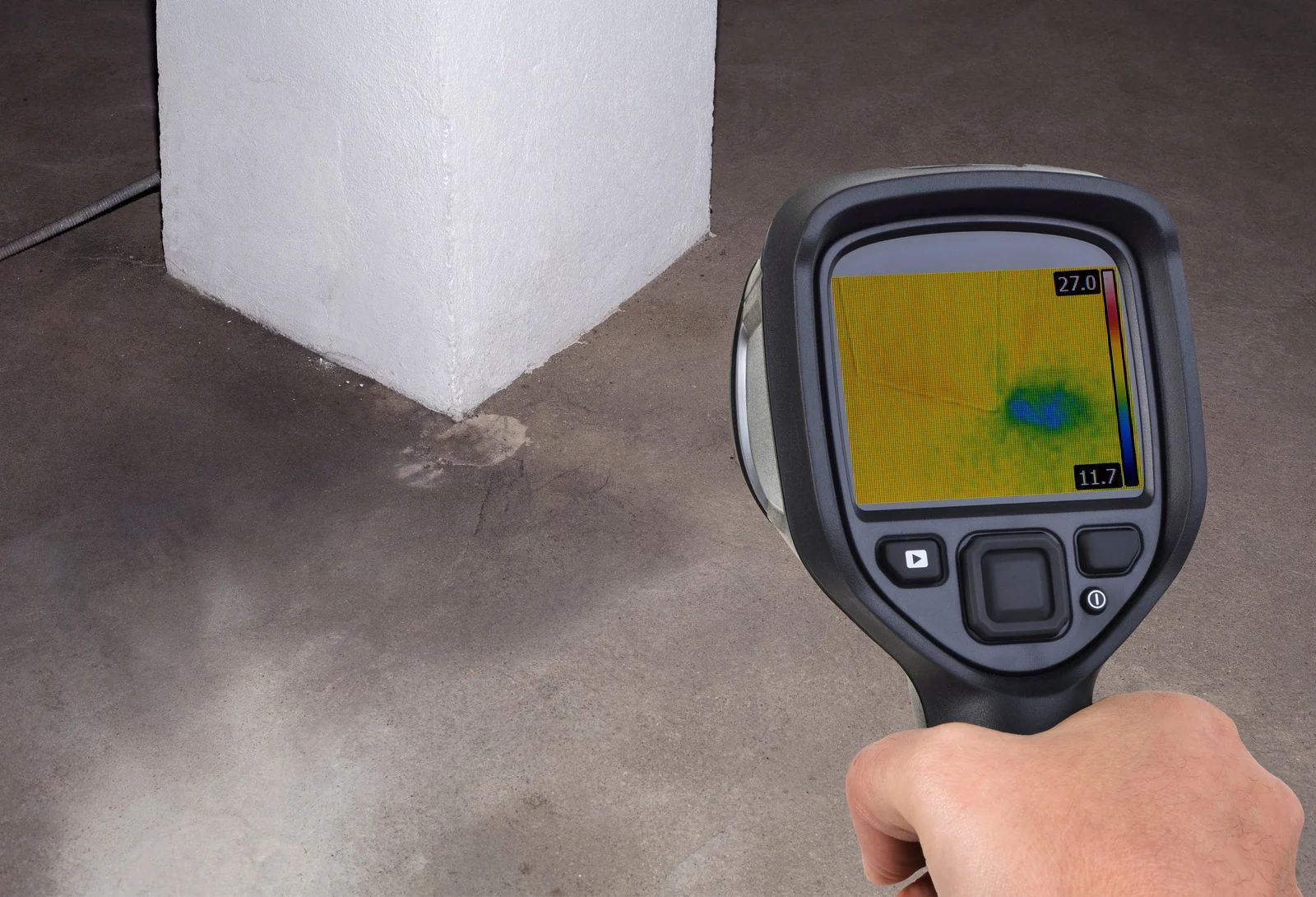
Handheld thermal camera aimed at a concrete floor and white column, showing a heat map on its screen
October 31, 2026
High water bill? Learn to spot hidden leaks & how pros detect them. Contact Jurguen's Plumbing for expert help!
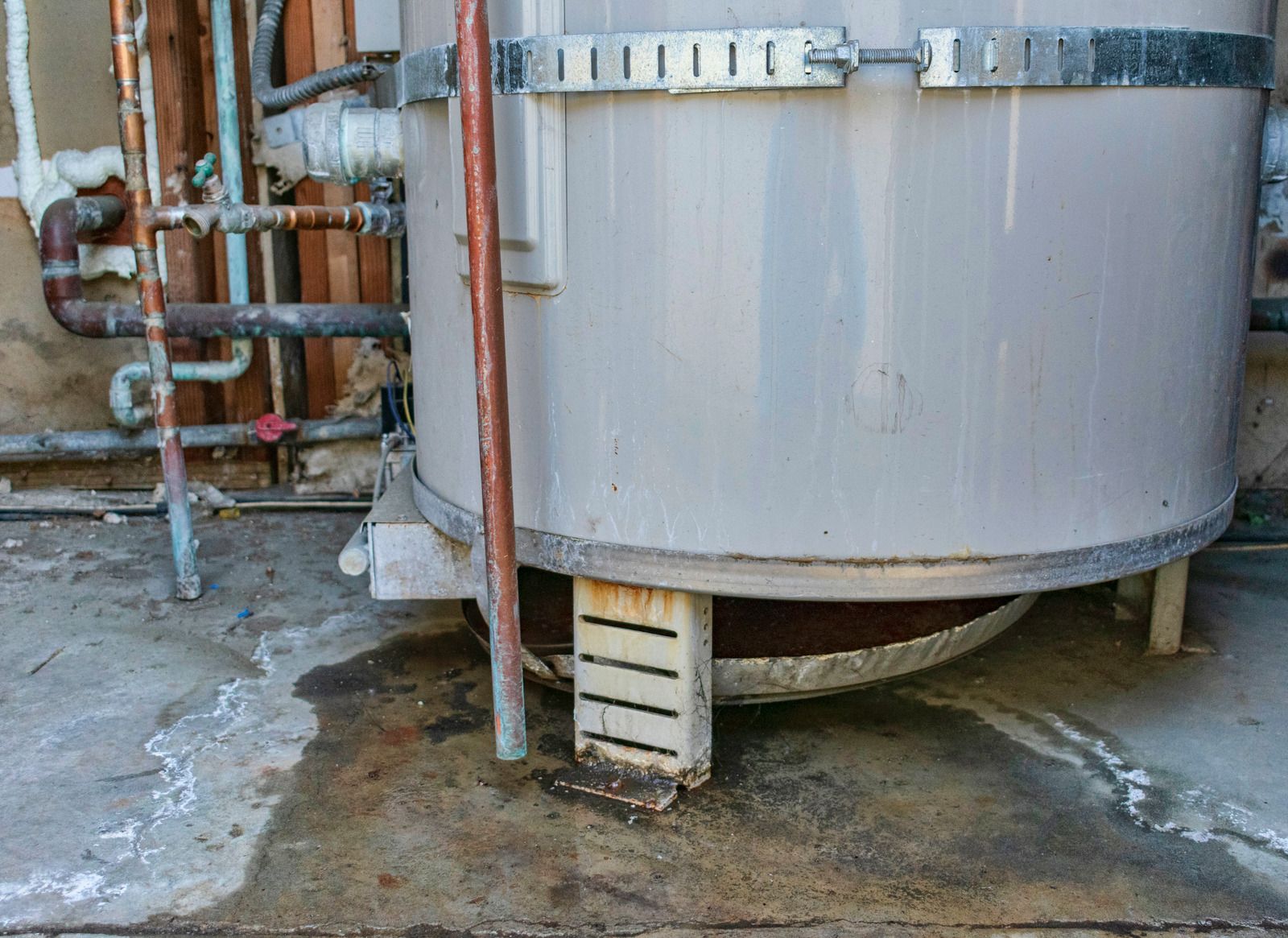
Large gray industrial tank with pipes and valves in a concrete utility area
September 29, 2026
Is your water heater leaking? Identify the source, whether it's the tank or valve. Contact Jurguen's Plumbing for expert help today!
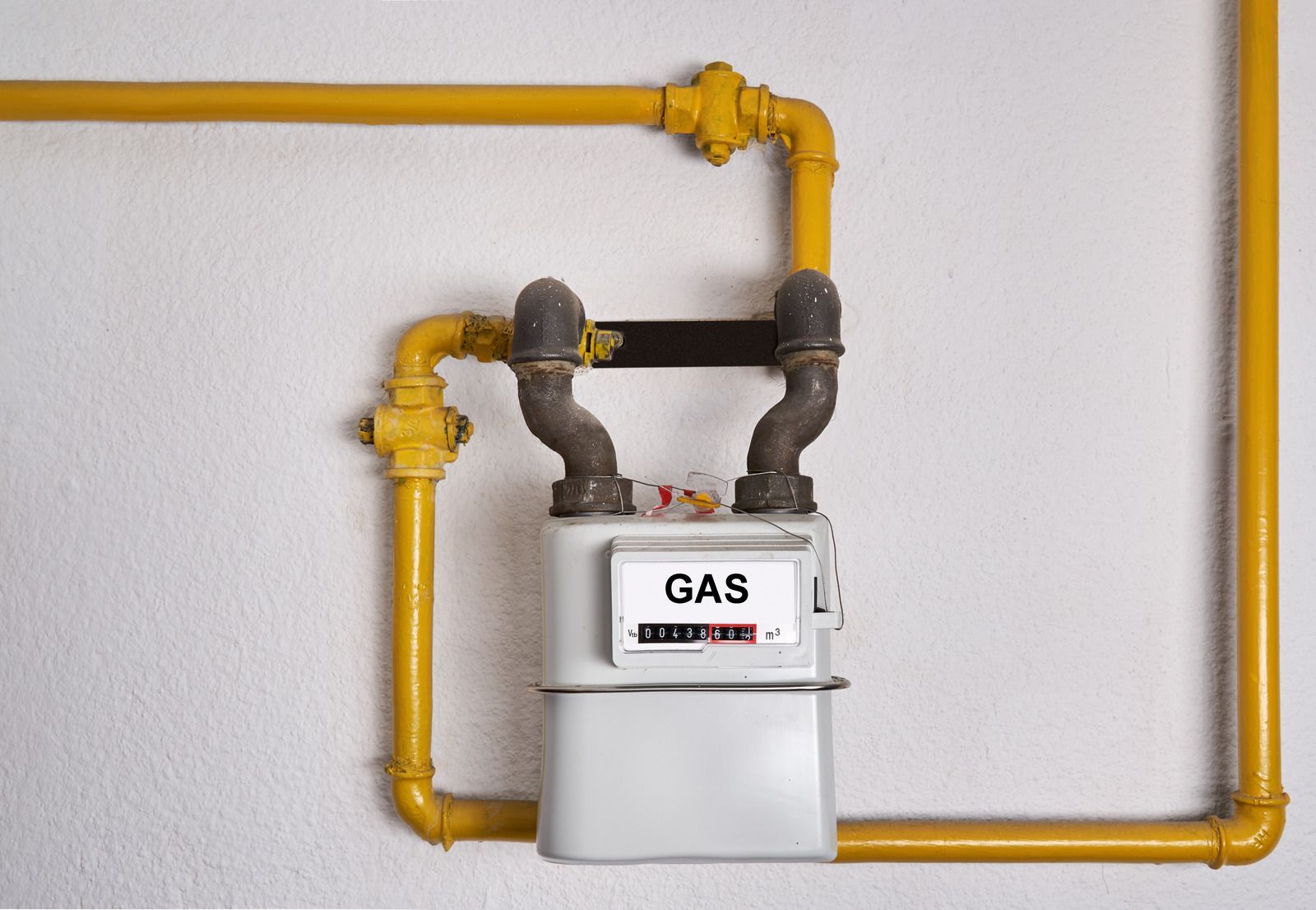
Gas meter with yellow pipes mounted on a white wall
August 27, 2026
Learn what to do if you smell gas near your stove or meter. Follow emergency steps & contact a licensed plumber for help!
Bathroom toilet with seat open, against gray marble-patterned tiled walls and floor.
July 9, 2026
Sewage backing up into your tub when you flush? Learn about main line blockages & schedule an inspection with Jurguen's Plumbing today!
Leaking copper pipe spraying water onto a white surface indoors
June 15, 2026
Supply line leaks involve pressurized water escaping from pipes that deliver water to fixtures. They tend to cause faster and more widespread damage. Drain leaks occur when water escapes from drain pipes during use. Both require prompt repair, but supply leaks are typically the more urgent situation.
Black pipe running through a dirt trench with exposed roots and soil around it
May 29, 2026
Sewer line problems can create serious disruptions inside any home, affecting drainage, sanitation, plumbing performance, and overall property safety. When drains begin backing up repeatedly, foul odors appear around the yard,
April 16, 2026
Plumbing systems are the unsung heroes of every home and commercial building, quietly ensuring a steady flow of water, proper drainage, and sanitation. Despite their critical role, many property owners overlook the importance of routine maintenance, often waiting until a noticeable leak,
A black plastic pipe sits inside a freshly dug trench next to a concrete sidewalk, with dirt piles on either side.
March 14, 2026
Sewer lines are the unsung heroes of any property, silently ensuring that wastewater flows efficiently from homes and businesses to treatment facilities. Despite their crucial role, these systems often remain out of sight and out of mind until a significant problem arises.
Person installing plumbing under a kitchen sink with a garbage disposal unit.
February 14, 2026
A garbage disposal is more than a convenience in a modern kitchen—it’s a critical component that supports efficient waste management and overall home hygiene. Despite their durability, these appliances are not immune to wear and tear.
Show More