
Water Bill Spiked but No Leak You Can See? How Detection Pinpoints It

October 31, 2026

Out of Sight, Out of Mind

Yellow or brown staining on a ceiling or wall is almost always a moisture signature. It may appear as a ring, a streak running from a corner, or a diffuse blotch near a light fixture. These marks indicate that water has saturated the material above and is wicking downward. The surface may feel dry by the time it stains, because the initial source of moisture may have dried partially, but the organic compounds that feed mold growth remain.


Pay particular attention to staining near plumbing walls, which are walls that contain water supply or drain lines, and to the ceilings of lower floors beneath bathrooms or kitchens.

Here is what to do the moment you see it

Quick Answer: A water bill that climbs with no visible drip almost always means water is escaping somewhere you cannot see, such as under a slab, inside a wall, or through a silent toilet leak. You can confirm it yourself by shutting off every fixture and watching the meter for a couple of hours. If the meter keeps moving, a licensed plumber can locate the exact spot with acoustic listening gear, thermal imaging, moisture meters, and pressure testing, usually without opening up walls or floors until the leak is pinpointed.


You open the water bill and stop reading halfway down the page. The number is well beyond anything from last month, and nothing in your routine changed. Nobody added a pool, the lawn is the same size it has always been, and you have walked the house twice looking for a drip under a sink or a stain on a ceiling. Everything looks dry. The faucets are tight, the toilets flush normally, and the yard is not soggy.


That combination, a jump in usage with nothing to show for it, is one of the most common calls a plumber gets, and it is almost never a mystery once you know where to look. Water that leaves your pipes has to go somewhere. It is either soaking into soil under the house, running down inside a wall cavity, slipping past a toilet flapper into the bowl, or draining quietly through a failed connection that nobody has had a reason to inspect in years.


The good news is that finding it is a methodical process, not guesswork. There is a simple test you can run today that tells you whether a leak is real, and there are professional tools that trace it to a spot the size of a dinner plate before anyone cuts into drywall or breaks concrete.

First, Confirm the Leak Is Real

Before assuming the worst, rule out the explanations that have nothing to do with your pipes. A bill can rise because of an estimated meter read that was corrected the following month, a change in the number of people in the house, a longer irrigation season, or a houseguest who stayed longer than planned. Meters themselves are rarely the problem, and older mechanical meters tend to under read rather than over read.


The cleanest way to separate real usage from a leak is the meter test. It takes about two hours and needs nothing but patience.

Turn off every fixture and appliance in the house. That means no dishwasher cycle, no washing machine, no ice maker refill, and nobody running a tap. Find your water meter, which in most South Bay homes sits in a small concrete box near the curb or at the edge of the front yard. Lift the lid, and read the dial or take a photo of it. Many meters also have a small low flow indicator, often a triangle or a tiny wheel, that spins whenever even a trickle passes through. If it is turning while the house is quiet, water is moving.


Wait two hours without using any water, then read the meter again. If the numbers changed, you have a leak somewhere on your side of the meter. If the meter did not move at all, the cause is more likely a change in how much water the household uses or an error in the billing itself. For a very slow leak, repeat the test overnight, since eight hours of silence gives a small leak plenty of time to show up as a difference on the dial.

Tip: Take a dated photo of the meter before you start and another when you finish. A clear before and after photo gives your plumber something concrete to work from, and it helps you tell a slow leak from a fast one.

Check the Easy Suspects Before You Call

Not every hidden leak is buried. A handful of ordinary fixtures lose enormous amounts of water without leaving a single puddle, and checking them takes only a few minutes.


Toilets lead the list. A worn flapper lets water seep from the tank into the bowl all day and all night, and because it runs down the bowl wall, you rarely hear it. Put a few drops of food coloring in the tank, wait about ten minutes without flushing, and look at the bowl. If color appears, the flapper is leaking. Flush right afterward so the dye does not stain the tank.


Irrigation is the next place to look. A cracked sprinkler line or a valve that does not fully close can run for hours before a patch of lawn turns noticeably wet, and in dry climates the soil sometimes drinks the water so fast that the surface never looks soggy. Turn the irrigation system off at the controller and repeat the meter test. If the meter stops, you have found your problem.


Also check the water heater closet or garage corner, the washing machine supply hoses, and the outdoor hose bibs. A pinhole in a flexible supply line or a failing shutoff valve can weep steadily without ever forming a puddle large enough to notice. These are worth a look, but if the meter keeps spinning after you have checked them all, the leak is almost certainly in a pipe you cannot see.

Why Older South Bay Homes Hide Leaks So Well

Homes across Inglewood, Hawthorne, Gardena, Torrance, and the neighboring South Bay cities include a lot of mid century construction, and plenty of it sits on concrete slab foundations. On a slab, the hot and cold supply lines often run through or beneath the concrete rather than through an open crawlspace where you could see them. When one of those lines begins to fail, the water has nowhere to travel but down into the soil or sideways under the slab, so nothing shows up on a floor or a wall for a very long time.


Several local conditions work against old supply lines. Southern California water is hard, and mineral content slowly eats at the inside of copper and galvanized pipe, thinning the wall until a pinhole opens. High street pressure, if your home does not have a working pressure regulator, adds constant stress to every joint and fitting. Add decades of small ground movement from a seismically active region, and a slab can shift just enough to rub a pipe against rock, a bracket, or another line until the metal wears through.


None of that means your house is in trouble. It simply explains why a leak in this part of Los Angeles County so often announces itself through the water bill before it announces itself through damage. By the time you see a warm spot on the floor or hear water running when nothing is on, the leak has typically been working for weeks or months.

Warning: A hot spot on a slab floor, the sound of running water in a silent house, or damp baseboards along an otherwise dry wall can mean a pressurized line is leaking under or inside your home. Shut off the main valve if you notice any of these and do not wait for the next billing cycle to act.

How Professional Detection Actually Pinpoints the Leak

This is the point where most homeowners picture jackhammers and torn up flooring. That is not how modern detection works. The entire purpose of the process is to find the leak precisely enough that the repair, if one is needed, opens the smallest possible area.


A good leak detection visit usually begins with isolation. The plumber shuts off sections of the system one at a time, watching the meter and a pressure gauge to work out whether the leak is on the hot side, the cold side, an irrigation branch, or the main line running from the meter to the house. That alone can narrow a whole property down to a single run of pipe.


From there, the tools take over.


Acoustic listening equipment picks up the sound that escaping pressurized water makes, a faint hiss or rush that your ears cannot hear through a wall or floor. Sensitive electronic amplifiers and, for buried lines, ground microphones let the plumber walk the suspected path and listen until the sound is loudest, which is where the leak sits.


Thermal imaging cameras detect temperature differences in surfaces. A leaking hot water line warms the slab or wall above it, and the camera shows that warm path as a visible pattern. Moisture meters add a second layer of confirmation by measuring dampness in drywall, subfloor, and baseboards without cutting anything open.


For underground lines, pressure testing isolates a section of pipe, holds it at a set pressure, and watches whether the gauge drops. When the location is still unclear, tracer gas can be introduced into the line, and a sensor at the surface picks up the gas where it escapes.


No single tool solves every case, which is why experienced technicians combine several. A thermal camera might show where a hot line is leaking, an acoustic check confirms it, and a moisture reading tells you how far the water has spread. Together they turn a vague suspicion into a specific location.

What Happens Once the Leak Is Found

Locating the leak is the part that saves you from exploratory demolition. After that, the plumber can explain what the line is, why it failed, and what the options look like.


A single failed fitting or a short section of damaged pipe can often be repaired by opening a small, targeted area. If the pipe is old and the wall has thinned along its entire length, the conversation changes, because a patch in one place may simply move the pressure problem to the next weak spot. In that case, replacing that run, or discussing repiping, is a more honest answer than a series of repeat visits.


A good plumber walks you through what was found, shows you the evidence on the readings, and tells you what is urgent and what can wait. You should leave with a clear picture of where the water was going, how it got there, and whether anything else in the system deserves attention while the area is open.

Why Waiting Does More Harm Than the Lost Water

A hidden leak is rarely only a water usage problem. Water that sits against framing, drywall, and insulation feeds mold growth, softens wood, and can undermine soil under a slab. A leak that runs for months can lift flooring, stain walls from the inside, and leave a musty smell that no amount of cleaning removes.


Slab leaks in particular can erode the soil beneath a foundation, which is a far bigger repair than the original pipe. The longer the water has to work, the larger the area involved when the problem finally surfaces.


A rising bill is, in a strange way, the helpful warning. It gives you an early signal while the damage is still contained, and acting on it quickly keeps a small, locatable leak from turning into a large, structural one.

What to Do Between the Meter Test and the Visit

If your meter test showed movement, there are a few sensible steps to take while you wait for a plumber.


Locate your main shutoff valve and make sure it turns freely. If you ever see water coming through a floor or ceiling, that valve is how you stop it. Note anything unusual, such as a warm patch of floor, a faint hissing sound near a wall, or a spot where the water pressure seems weaker than it used to be. Write down when the bill began to climb, since that timeline helps narrow the likely start of the leak.


If the leak appears slow, you can usually keep the water on and schedule a visit promptly. If you suspect a larger leak, or you notice any of the warning signs above, turn the main off until a professional has looked at it.

Frequently Asked Questions

  • How can I tell if my high water bill is caused by a leak or just higher usage?

    Run the meter test. Turn off every fixture and appliance, record the meter reading, wait two hours without using any water, and read it again. If the number changed, water is escaping somewhere. If it did not, the increase is more likely tied to household usage, irrigation, or a billing adjustment.

  • Can a leak under my slab really go unnoticed for months?

    Yes. Water from a slab leak travels into the soil or along the underside of the concrete, so nothing appears on the surface. Many homeowners first notice a warm floor, the sound of running water, or a steadily climbing bill rather than any visible damage.

  • Will finding the leak mean tearing up my floors or walls?

    Not at the detection stage. Acoustic listening, thermal imaging, moisture meters, and pressure testing locate the leak without cutting into finished surfaces. Once the exact spot is known, any repair opens only the small area directly over it.

  • Do toilets and irrigation lines really cause that much hidden water loss?

    They do. A worn toilet flapper can leak constantly into the bowl with almost no sound, and a cracked irrigation line can soak into dry soil without leaving a wet surface. Both are worth checking before you assume the leak is inside a wall or slab.

  • How long does a leak detection visit usually take?

    It depends on the size of the property and how complex the plumbing is, but most inspections take a few hours. Isolating the sections of the system first helps the technician focus on the right area quickly.

  • Is a hidden leak an emergency if the meter is only moving slowly?

    A slow leak is not usually an immediate danger, but it should not wait long. Even a small, steady leak can saturate framing and soil over weeks, so it is best to schedule detection soon and shut off the main if you notice dampness, warm floors, or sounds of running water.

Schedule Professional Leak Detection with Jurguen's Plumbing

A bill that jumps with no visible cause is your plumbing telling you something, and the sooner you listen, the smaller the repair tends to be.


For more than 25 years, Jurguen's Plumbing has been tracing hidden leaks for homeowners in Inglewood and across the South Bay, using acoustic listening, thermal imaging, moisture readings, and pressure testing to find the exact spot before any wall or slab is opened. If your meter kept moving during the test, do not let another billing cycle pass while water works its way into your framing or the soil under your foundation. Reach out today to schedule a leak detection visit and get a clear answer about where your water is going.

Hands under a chrome bathroom faucet, water running into a white sink.
November 3, 2026
Low water pressure in older homes may be due to pipe issues. Contact us for a plumbing inspection today!
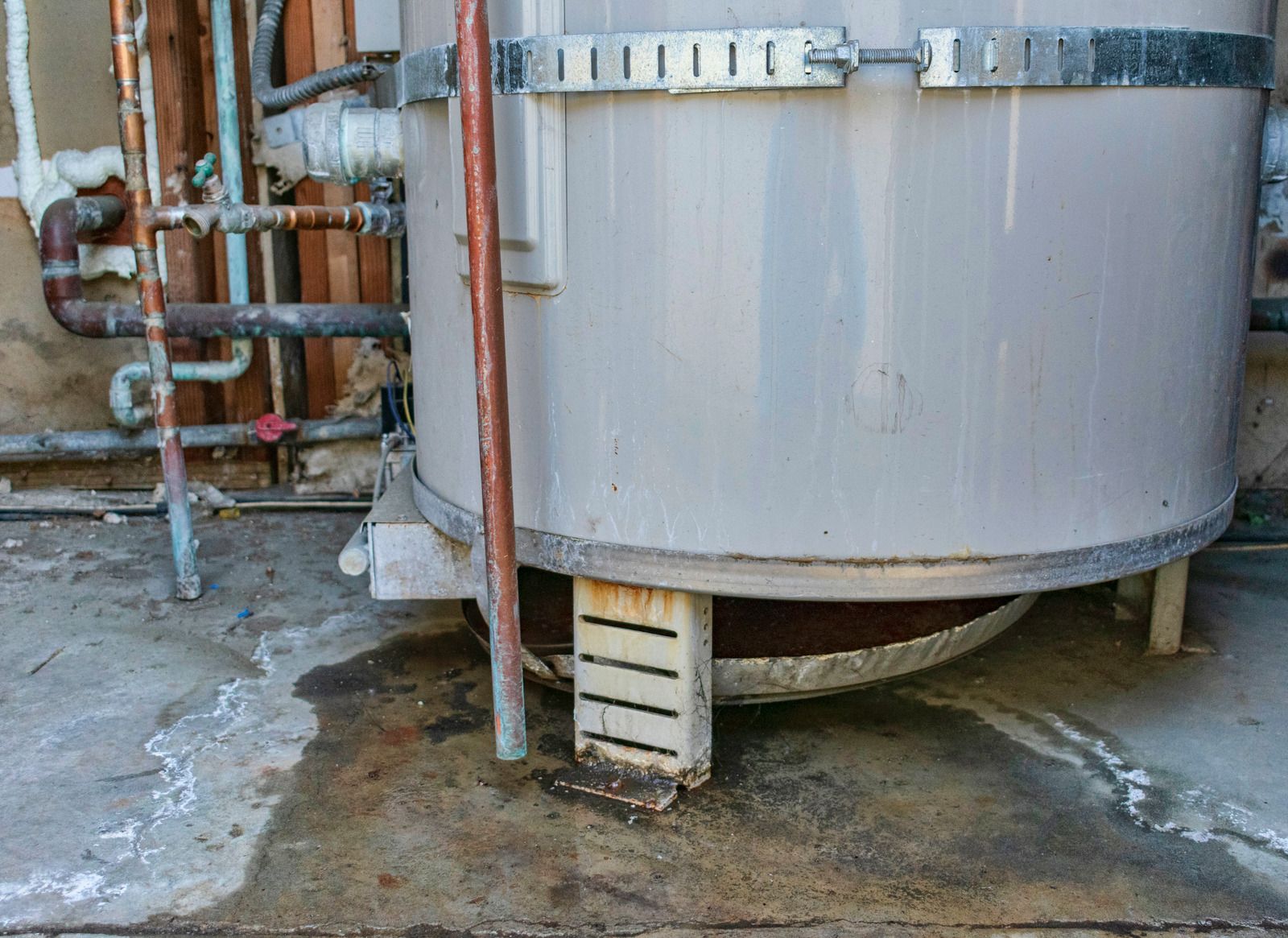
Large gray industrial tank with pipes and valves in a concrete utility area
September 29, 2026
Is your water heater leaking? Identify the source, whether it's the tank or valve. Contact Jurguen's Plumbing for expert help today!
Gas meter with yellow pipes mounted on a white wall
August 27, 2026
Learn what to do if you smell gas near your stove or meter. Follow emergency steps & contact a licensed plumber for help!
Bathroom toilet with seat open, against gray marble-patterned tiled walls and floor.
July 9, 2026
Sewage backing up into your tub when you flush? Learn about main line blockages & schedule an inspection with Jurguen's Plumbing today!
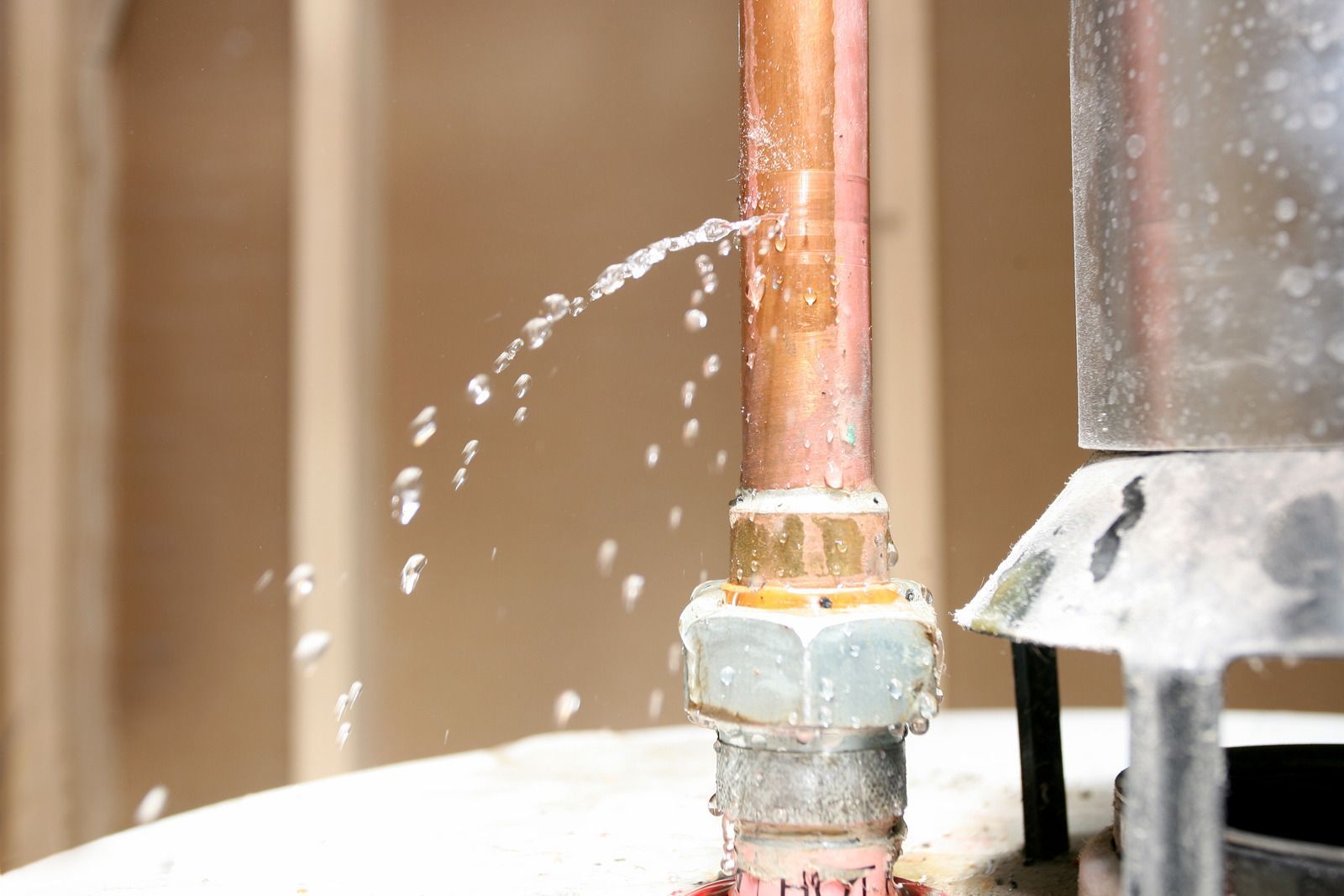
Leaking copper pipe spraying water onto a white surface indoors
June 15, 2026
Supply line leaks involve pressurized water escaping from pipes that deliver water to fixtures. They tend to cause faster and more widespread damage. Drain leaks occur when water escapes from drain pipes during use. Both require prompt repair, but supply leaks are typically the more urgent situation.
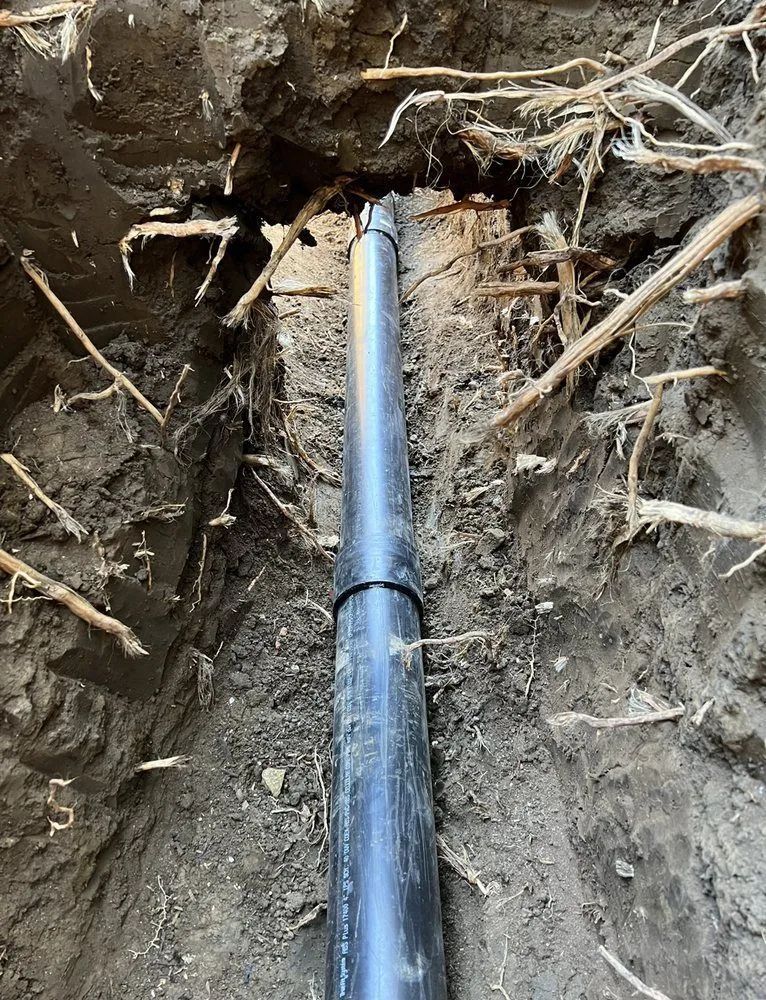
Black pipe running through a dirt trench with exposed roots and soil around it
May 29, 2026
Sewer line problems can create serious disruptions inside any home, affecting drainage, sanitation, plumbing performance, and overall property safety. When drains begin backing up repeatedly, foul odors appear around the yard,
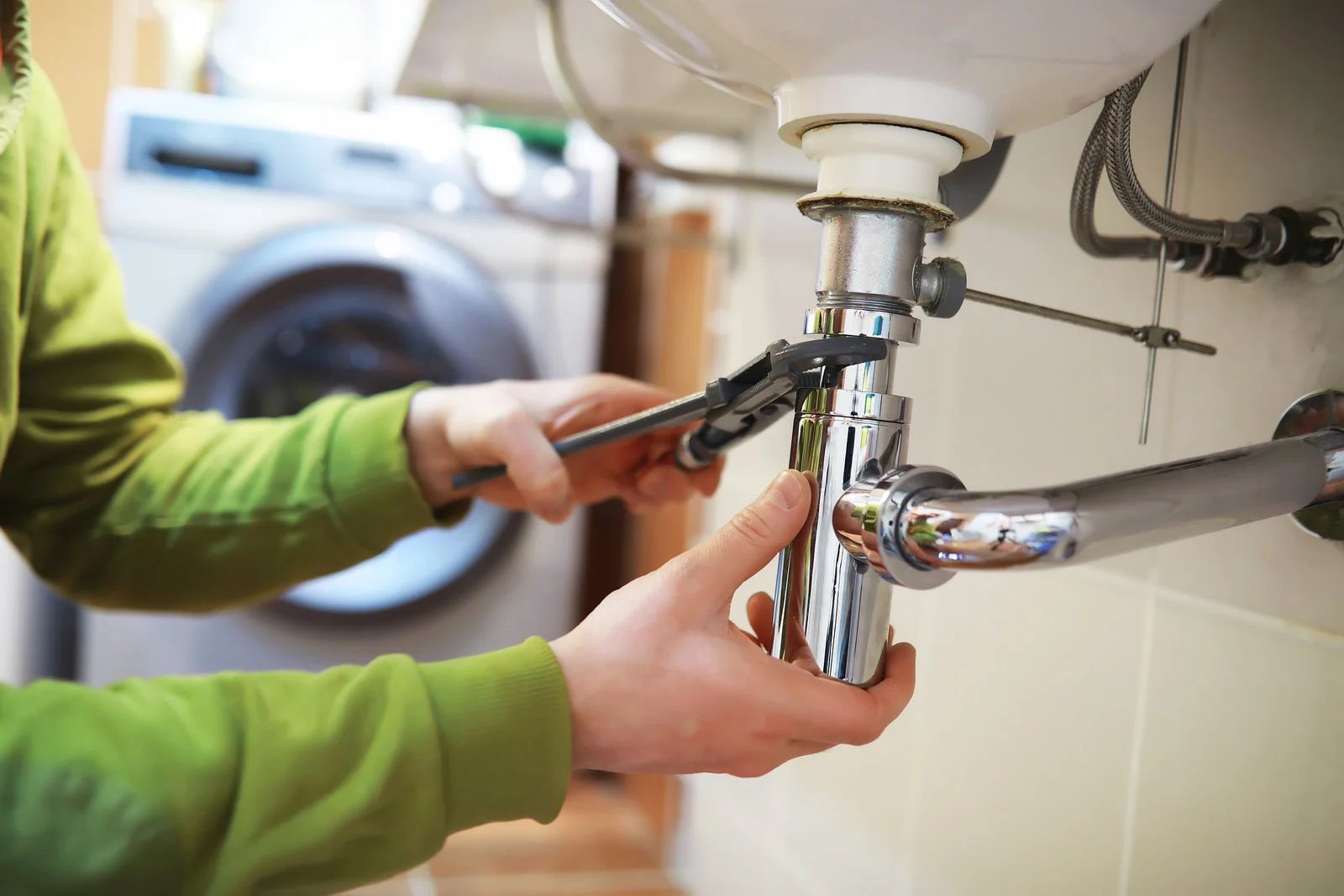
April 16, 2026
Plumbing systems are the unsung heroes of every home and commercial building, quietly ensuring a steady flow of water, proper drainage, and sanitation. Despite their critical role, many property owners overlook the importance of routine maintenance, often waiting until a noticeable leak,
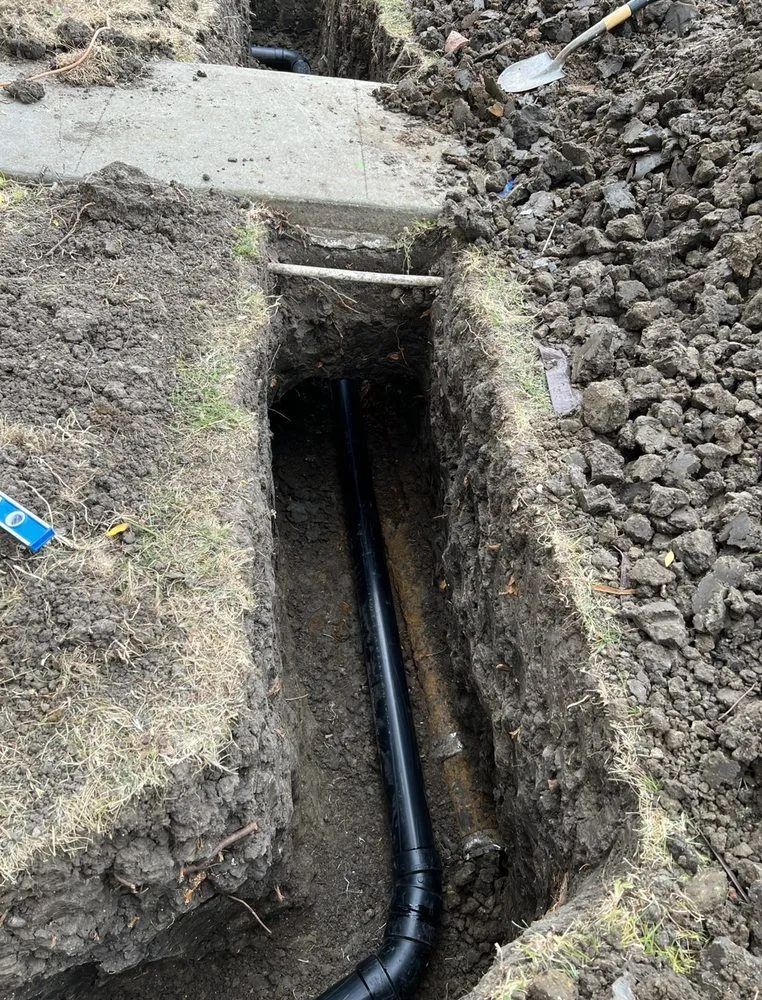
A black plastic pipe sits inside a freshly dug trench next to a concrete sidewalk, with dirt piles on either side.
March 14, 2026
Sewer lines are the unsung heroes of any property, silently ensuring that wastewater flows efficiently from homes and businesses to treatment facilities. Despite their crucial role, these systems often remain out of sight and out of mind until a significant problem arises.
Person installing plumbing under a kitchen sink with a garbage disposal unit.
February 14, 2026
A garbage disposal is more than a convenience in a modern kitchen—it’s a critical component that supports efficient waste management and overall home hygiene. Despite their durability, these appliances are not immune to wear and tear.
Show More